
Bhutan
Asia
Bhutanese Ngultrum (BTN)
Mar to May, Sep to Nov
Description
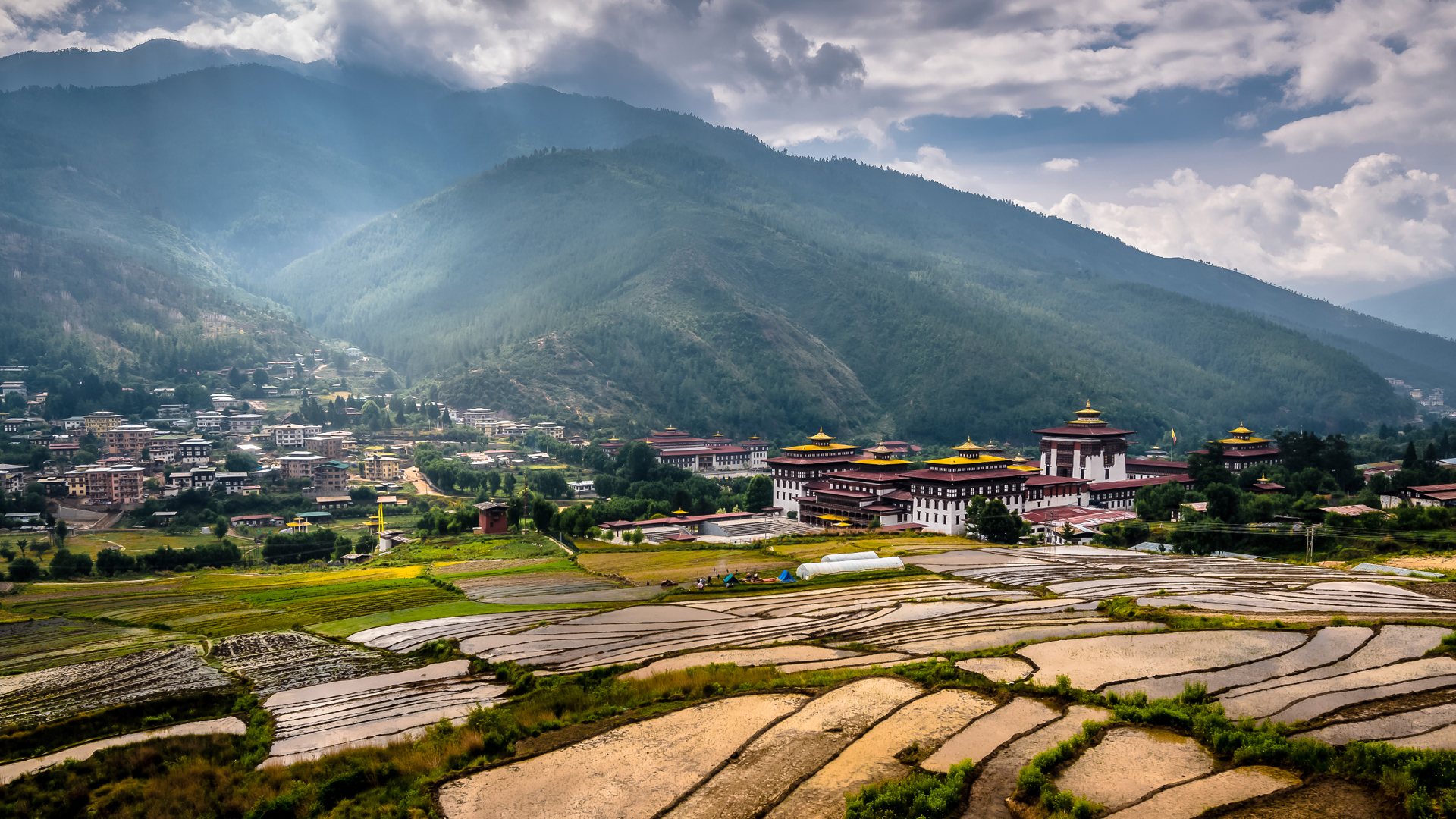
Bhutan is a Himalayan kingdom rooted deeply in spirituality and happiness. Its pristine environment, majestic mountains, and ancient monasteries create an atmosphere of peace and authenticity rarely found elsewhere. Paro Taktsang (Tiger’s Nest), Punakha Dzong, and high-altitude valleys showcase Bhutan’s mystical essence. With strong traditions, vibrant festivals, and policies protecting nature, Bhutan offers a journey where travelers reconnect with simplicity, nature, and inner calm.
Trip Highlights
Spirituality, trekking, culture, nature
Need Help ?
Explore Our Packages


Must Know
Bhutan experiences four distinct seasons. The best time to visit is March to May (spring) and September to November (autumn), when the skies are clear and ideal for mountain views, cultural festivals, and trekking. Winters (December–February) are cold, especially in Paro, Thimphu, and Punakha, but excellent for photography and peaceful travel. Monsoon months (June–August) bring heavy rains in southern Bhutan and occasional roadblocks. Travellers should plan based on their desired activities, such as trekking, sightseeing, or attending festivals (Tshechus).
Bhutan is known as the “Land of the Thunder Dragon,” deeply rooted in Buddhist values, respect, and simplicity. Locals dress traditionally in Gho (for men) and Kira (for women), especially in official and religious places. When visiting monasteries, dzongs, and temples, modest clothing is mandatory—shoulders, arms, and legs must be covered. Removing shoes before entering sacred rooms is required. Photography may be restricted in certain religious areas. Public displays of affection are discouraged, and speaking softly in monasteries is appreciated.
Bhutanese cuisine is unique, known for its love of chillies and cheese. Must-try dishes include Ema Datshi (chilli & cheese), Kewa Datshi, Shakam Paa, Red Rice, Buckwheat pancakes, and local soups. Vegetarian options are widely available. Indian, Tibetan, and continental dishes are also common in hotels. Tap water is not advisable—bottled water is safest. Food in high-altitude areas tends to be simple and mildly spiced.
| Bhutan offers beautiful handicrafts and traditional products. Popular items include handwoven textiles, thangka paintings, wooden masks, Buddhist prayer items, incense, honey, Bhutanese tea, handmade soaps, and traditional jewellery. |
| Best shopping areas include: |
| • Thimphu Craft Bazaar |
| • Paro Town Market |
| • Punakha local markets |
| Travellers should avoid purchasing antiques without proper permits, as exporting national heritage items is restricted. |
Bhutan’s roads are scenic but involve winding mountain routes. Travel between Paro, Thimphu, Punakha, and Phobjikha often takes longer than expected due to sharp curves. Hiring a private car with a driver is the most common option, and all tour packages include transport. Self-driving is not recommended due to narrow mountain roads. Road closures may occur during monsoon season, so itineraries should be flexible.
Bhutan is home to majestic monasteries, fortresses (dzongs), valleys, and spiritual sites. Key attractions include Tiger’s Nest Monastery (Paro Taktsang), Punakha Dzong, Dochula Pass, Buddha Dordenma, Chele La Pass, Phobjikha Valley, and Thimphu Memorial Chorten. Visiting monasteries requires calm behaviour, slow movement, and respectful posture. Early mornings offer the best light for photography and peaceful temple viewing.
Bhutan offers excellent treks such as Tiger’s Nest hike, Druk Path Trek, Jhomolhari Trek, and nature trails in Phobjikha. Treks vary from easy to advanced; travellers should wear proper trekking shoes, layer clothing, and carry hydration. Bhutan is strict about environmental conservation—littering, picking plants, or disturbing wildlife is prohibited. Certain high-altitude treks require permits and government-approved guides.
All foreign travellers (except Indians) require a visa and must book their trip through a registered Bhutanese tour operator. Indian citizens need a valid voter ID or passport and a Bhutan Entry Permit, which is issued at Paro Airport or Phuentsholing border. Special permits are required for restricted regions like Punakha, Phobjikha, Bumthang, and Eastern Bhutan. Carrying multiple passport-size photographs and ID copies is useful for permits.
Bhutan has good network coverage in Paro, Thimphu, and Punakha. Remote areas like Phobjikha, Bumthang, and high passes may have weak signal. Local SIM cards from TashiCell and B-Mobile are available at airports and town centres. Wi-Fi is available in hotels but may be slow in rural regions.
The local currency is the Bhutanese Ngultrum (BTN). INR is also widely accepted in most parts of the country (₹50, ₹100, ₹200 notes preferred). ATMs are available in Paro and Thimphu but less common elsewhere, so travellers should carry sufficient cash. Credit cards are accepted in upscale hotels and larger stores but may charge a small processing fee.
Bhutan is extremely safe for tourists with low crime rates. Still, travellers should keep valuables secure and avoid wandering alone in isolated forest areas. Climbing religious structures, touching sacred relics, or disrespecting monks is strictly prohibited. Traffic rules must be followed strictly, and smoking is allowed only in designated areas—Bhutan has strict anti-tobacco laws.
Bhutan’s climate varies from warm valleys to cold mountains. Travellers should stay hydrated, use sun protection, and carry warm clothing, especially for evenings in Paro and Thimphu. Basic medicines should be kept handy as pharmacies may have limited stock outside cities. Altitude sickness is usually mild but can affect sensitive individuals—rest and hydration help.
Light jackets, warm layers, scarves, gloves, and caps are essential for mornings and evenings. Comfortable walking shoes, trekking shoes (for Tiger’s Nest), sunscreen, sunglasses, power banks, personal medicines, and rain jackets (especially in monsoon) are important. Modest attire is required for all religious visits.
Bhutan’s colourful Tshechu festivals are a major attraction, featuring masked dances, traditional music, and blessings. The most famous festivals are held in Paro, Thimphu, and Punakha. Travellers visiting during these periods should book in advance due to high demand.
Bhutan focuses on sustainability and carbon neutrality. Travellers should avoid plastic waste, follow trekking trails, respect wildlife, and not disturb natural habitats. Nature reserves, forests, and religious spaces have strict eco-guidelines.
Travel insurance is strongly recommended for Bhutan, especially for trekking, mountain travel, adventure activities, and medical emergencies. It covers cancellations, illness, weather delays, and evacuation if required.
