
Uttarakhand
India
Indian Rupee (INR)
Mar to Jun, Sep to Nov
Description
Uttarakhand is known for its sacred rivers, yoga capital Rishikesh, charming hill stations, and Himalayan trekking routes. It offers spiritual experiences in Haridwar, breathtaking scenery in Nainital and Chopta, and snow adventures in Auli. The state’s calm villages, national parks, and ancient temples make it ideal for wellness, pilgrimage, or mountain exploration. Uttarakhand is both spiritually uplifting and adventure friendly.
Trip Highlights
Hills, temples, adventure, nature, yoga
Need Help ?
Explore Our Packages

Hills, Meadows & Ganga Journey
⏱ 7 Days
Family, Friends, Solo, Mountains, Nature, OffBeat, Honeymoon
Starting from ₹41999
View Details
Uttarakhand Adventure & Spiritual Trail
⏱ 7 Days
Family, Friends, Solo, Mountains, Nature, OffBeat, Honeymoon
Starting from ₹42999
View Details
Classic Uttarakhand Experience
⏱ 7 Days
Family, Friends, Solo, Mountains, Nature, Religious
Starting from ₹29999
View Details
Kumaon Hills & Wildlife Tour
⏱ 5 Days
Family, Friends, Solo, Honeymoon, Mountains, Nature, Wildlife
Starting from ₹27999
View Details
Hills & Holy City Circuit
⏱ 4 Days
Family, Friends, Solo, Honeymoon, Mountains, Nature
Starting from ₹18500
View Details
Nature & Spiritual Escape
⏱ 4 Days
Family, Friends, Solo, Honeymoon, Mountains, Nature
Starting from ₹18500
View Details
Lakes & Wildlife Circuit
⏱ 4 Days
Family, Friends, Solo, Mountains, Nature, Wildlife
Starting from ₹17999
View Details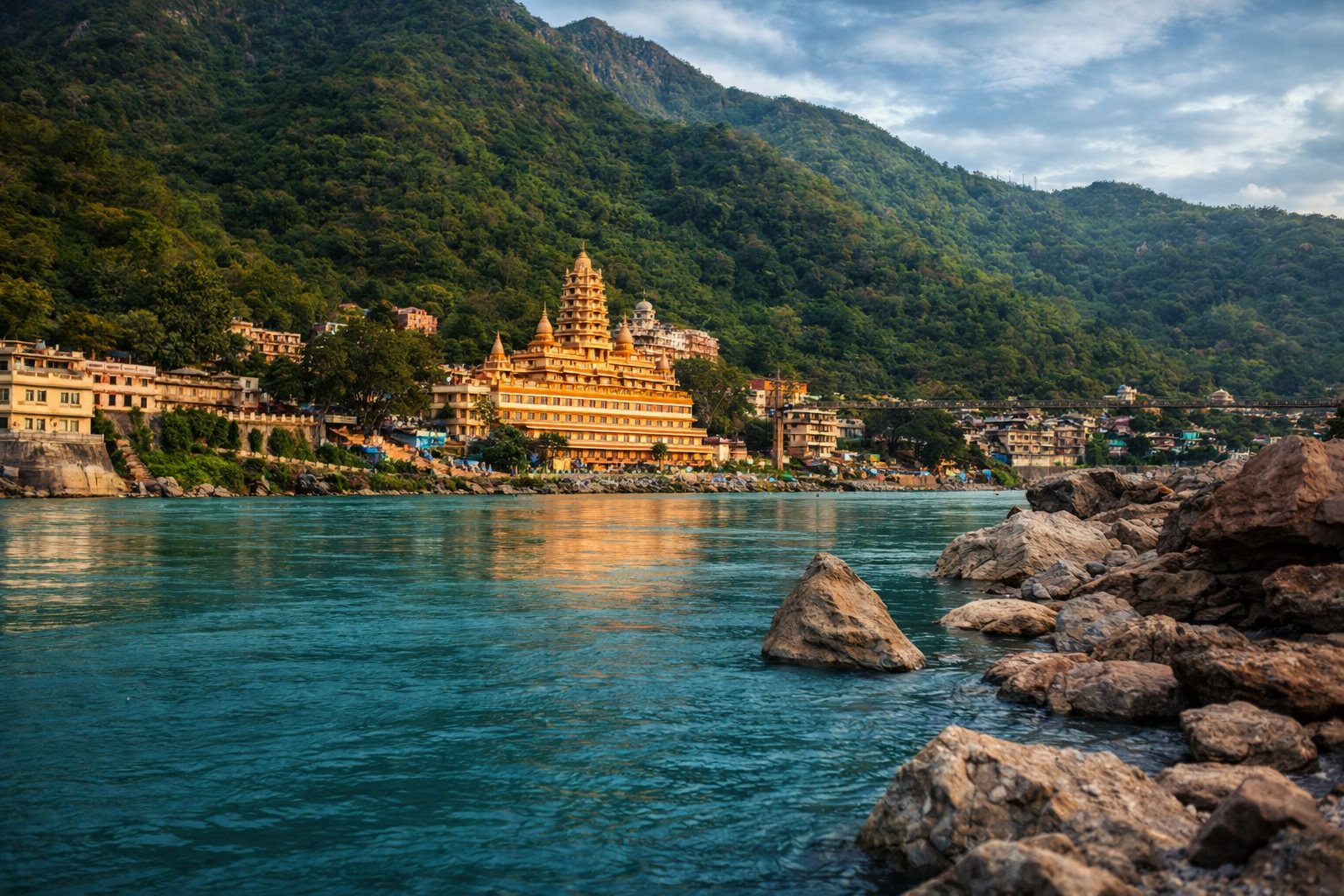

Lake City Retreat
⏱ 4 Days
Family, Friends, Solo, Honeymoon, Mountains, Nature
Starting from ₹16999
View Details
Queen of Hills Retreat
⏱ 4 Days
Family, Friends, Solo, Honeymoon, Mountains, Nature
Starting from ₹18997
View DetailsMust Know
Uttarakhand features a diverse climate, ranging from pleasant hill-station weather in Nainital and Mussoorie to cool alpine conditions in Auli and spiritual riverside climates in Haridwar and Rishikesh. The best time to visit most tourist destinations is March to June when the weather is pleasant and skies are clear. Winter (December to February) is ideal for snowfall lovers in Auli, Chopta, and Munsiyari. The monsoon season (July to September) brings rain, lush greenery, and occasional landslides, making long-distance travel unpredictable. Travellers should check weather and road updates before planning mountain travel.
Uttarakhand’s terrain consists of winding mountain roads, steep climbs, and narrow routes, especially in the Garhwal and Kumaon regions. Travel time is often longer than expected because of sharp curves and unpredictable traffic. During monsoon, landslides may cause delays or road closures. It is strongly recommended to hire experienced local drivers for hill travel and avoid late-night driving due to limited visibility. Travellers prone to motion sickness should carry appropriate medication.
While popular destinations like Mussoorie, Nainital, Haridwar, and Rishikesh are at moderate altitudes, locations such as Chopta, Auli, Kedarnath, Badrinath, and Valley of Flowers are situated much higher. High altitudes can cause fatigue in some travellers if they ascend too rapidly. Staying hydrated, taking regular breaks, and avoiding heavy exertion during the first few hours of arrival can help maintain comfort. Travellers with heart, respiratory, or blood pressure conditions should consult their doctor before visiting high-altitude or trekking regions.
Uttarakhand is known as Devbhumi — the Land of the Gods. The culture is deeply spiritual, calm, and rooted in ancient temples, ashrams, and traditions. Travellers should dress modestly when visiting temples, ghats, or spiritual centres. Silence should be maintained at religious sites, and photography restrictions must be respected. Local people are humble and polite, and travellers are encouraged to interact respectfully and responsibly with the community.
Uttarakhand offers a wholesome mountain-style cuisine, featuring dishes like Kafuli, Bhatt ki Churdkani, Gahat Dal, Aloo ke gutke, chainsoo, and Bal Mithai. Popular tourist towns also offer Indian, Chinese, Tibetan, and continental options. Street food is widely available but should be consumed mindfully. Tap water is best avoided; stick to bottled or filtered water. Cold weather may affect digestion, so eat light meals during hill travel.
The region is well known for woollen wear, Pashmina shawls, wooden crafts, handicrafts made by local Himalayan communities, copperware, natural herbs, organic produce, hand-knitted sweaters, and religious items. Rishikesh and Haridwar are famous for spiritual souvenirs like Rudraksha malas, Ganga jal, incense, and handcrafted jewellery. Nainital offers candles, pine handicrafts, and woollens. Always buy authentic products from government-run emporiums and trusted shops.
Uttarakhand hosts significant pilgrimage sites such as Kedarnath, Badrinath, Yamunotri, Gangotri, Rishikesh, and Haridwar. Travellers should dress modestly, remove footwear when required, and respect temple timings. The Char Dham Yatra season (April to November) attracts thousands of pilgrims daily, so early planning, advance bookings, and patience are essential. Avoid carrying plastic near holy rivers and temples.
Uttarakhand is a major hub for adventure tourism including river rafting (Rishikesh), trekking (Valley of Flowers, Kedarkantha, Har ki Dun), skiing (Auli), camping (Chopta), paragliding (Pithoragarh), and bungee jumping (Rishikesh). These activities are conducted under regulated conditions but remain weather-dependent. Travellers must use licensed operators and follow safety instructions strictly. People with heart issues, spinal problems, or pregnancy should avoid high-impact activities.
Uttarakhand is rich in forests, rivers, and wildlife, with national parks like Jim Corbett, Rajaji, Nanda Devi, and Gangotri. Visitors should refrain from littering, feeding animals, or making loud noises inside forests. Safari timings are strictly followed and may change due to weather. Smoking or lighting fires inside forest areas is strictly prohibited. Eco-friendly practices help protect Uttarakhand’s biodiversity and fragile ecosystems.
Winter in Uttarakhand can be magical but extremely cold in regions like Auli, Munsiyari, and Chakrata. Heavy snowfall can cause roadblocks and limited sightseeing. Travellers should carry thermal wear, down jackets, waterproof shoes, gloves, and caps. Electricity and water supply may be temporarily affected during severe cold waves. Hotels at high altitudes may have limited heating options — check facilities before booking.
Mobile networks are strong in major towns like Rishikesh, Haridwar, Dehradun, Mussoorie, Nainital, and Haldwani. However, connectivity reduces in remote villages, high-altitude treks, and forest areas. While Jio and Airtel offer the best coverage, network signals may still fluctuate due to terrain. Travellers should not rely heavily on mobile data in offbeat locations.
ATMs are widely available in most towns but scarce in remote villages and trekking routes such as Kedarnath, Auli, Chopta, and Munsiyari. Digital payment options work well in larger towns but may fail in low-network areas. Carry sufficient cash for shopping, guide fees, local travel, and emergencies during hill visits.
Uttarakhand is generally safe for tourists, with helpful locals and strong police and forest department presence. Common travel concerns include altitude fatigue, motion sickness, dehydration, and cold-related issues. Travellers should carry essential medicines and first-aid kits. Emergency services, hospitals, and ambulances are available in major towns, while remote areas may only have basic medical facilities. During monsoon or snowfall, travellers should monitor weather alerts and follow instructions from authorities.
Travel insurance is highly recommended, especially for adventure sports, high-altitude travel, trekking, and pilgrimage routes. Insurance helps cover unexpected medical needs, evacuation, cancellations, luggage issues, and weather-related disruptions, ensuring a safer and more stress-free journey.
