
Rajasthan
India
Indian Rupee (INR)
Oct to Mar
Description
Rajasthan is India’s royal heartland — filled with tales of kings, queens, warriors, and majestic palaces. Cities like Jaipur, Udaipur, Jodhpur, and Jaisalmer are architectural masterpieces featuring grand forts, lakes, and vibrant bazaars. The Thar Desert offers camel safaris, dune camps, and golden sunsets. Rajasthan’s food, folk dances, colorful festivals, and handicrafts reflect rich tradition and cultural pride. It brings India’s royal history alive.
Trip Highlights
Palaces, forts, desert, culture, festivals
Need Help ?
Explore Our Packages
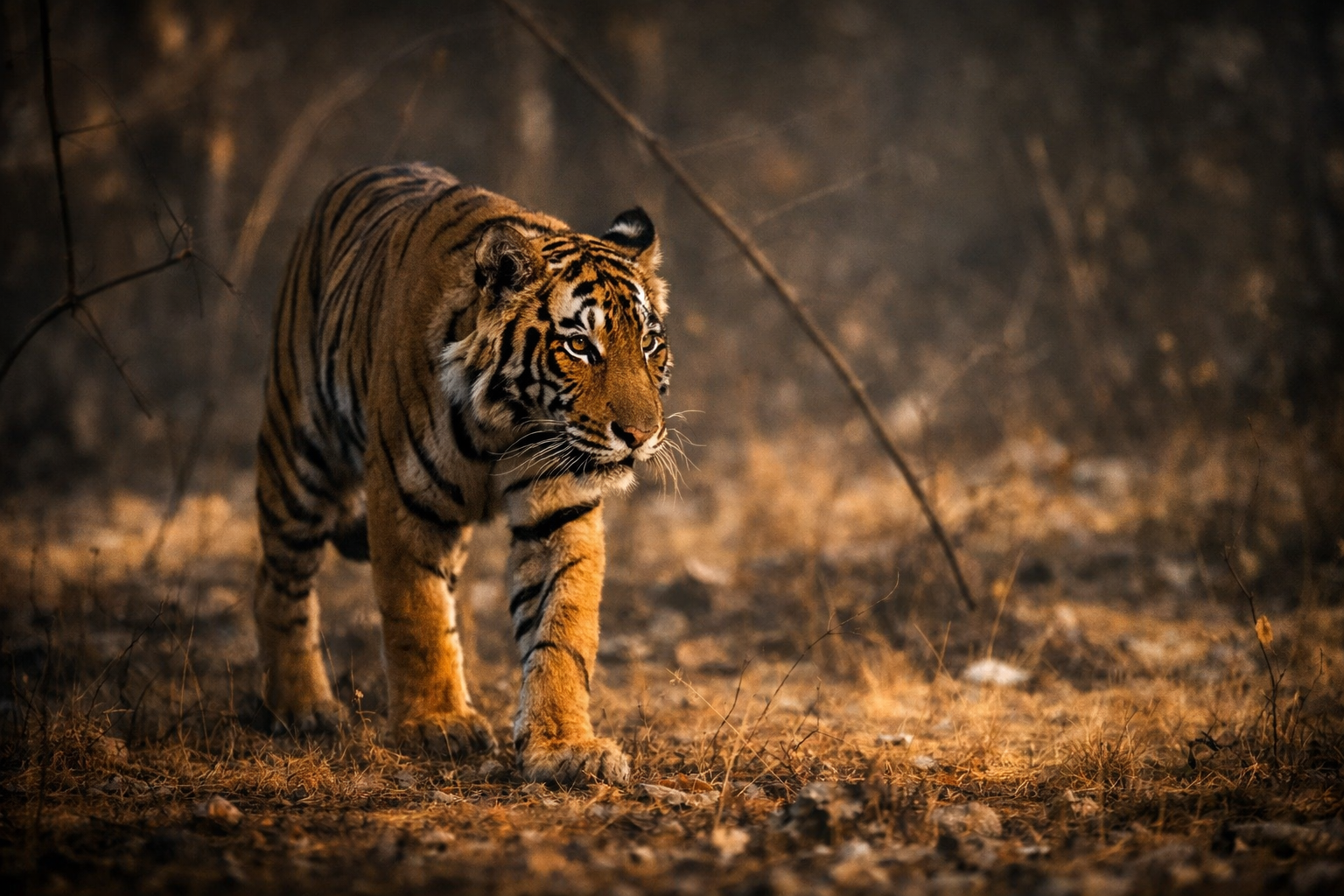
Golden Triangle with Ranthambore
⏱ 8 Days
Family, Friends, Solo, Heritage, Culture, Wildlife
View Details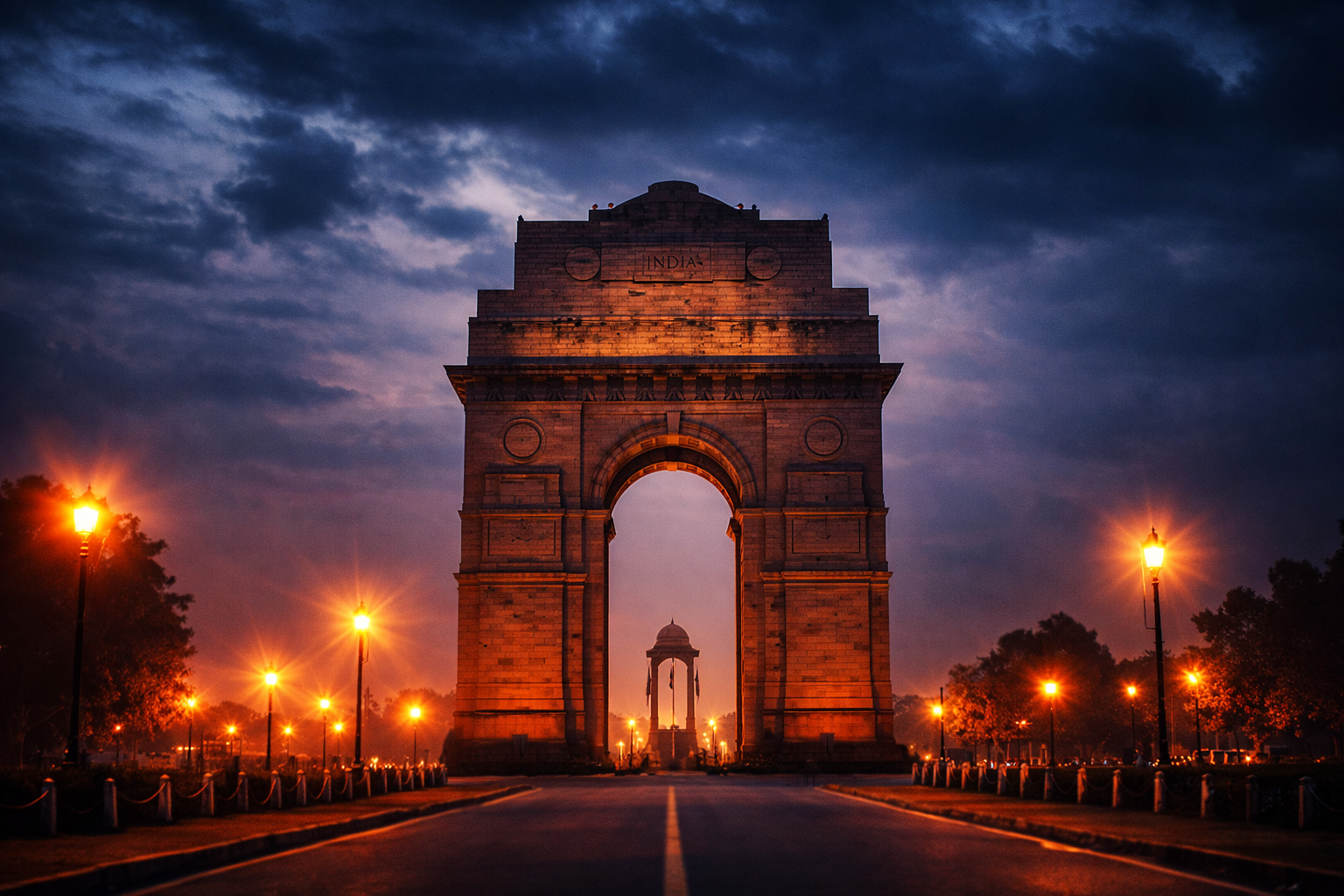

North India Heritage & Wildlife Trail
⏱ 10 Days
Family, Friends, Solo, Heritage, Culture, Wildlife
View Details



Must Know
Rajasthan has a desert-influenced climate with extreme temperature variations. The best time to visit is October to March, when the weather is cool and ideal for exploring forts, palaces, deserts, and lakes. Summers (April to June) are extremely hot, especially in Jaipur, Jaisalmer, and Jodhpur, with temperatures often crossing 45°C. Monsoon (July to September) brings scattered showers that add freshness to destinations like Udaipur, Mount Abu, and Kumbhalgarh. Travellers should choose travel dates based on comfort with heat and desired experiences such as camel safaris or winter festivals.
Rajasthan has excellent road connectivity between major tourist cities like Jaipur, Jodhpur, Jaisalmer, Udaipur, Pushkar, and Ajmer. Highways are generally smooth and well-maintained, making long-distance travel comfortable. However, traffic can increase during festivals or peak tourist months. Desert routes near Jaisalmer may be isolated, and travellers should avoid driving at night due to low visibility. Reliable cabs, local taxis, buses, and trains are available, while bike rentals are popular in Jaipur and Udaipur.
Rajasthan is known for its royal heritage, vibrant traditions, folk music, dance, and colourful festivals. The people are warm, hospitable, and deeply rooted in their cultural values. Travellers should dress modestly when visiting temples, forts, and rural areas. Respect local customs, ask permission before taking photographs of locals, and behave with courtesy in heritage sites. Rajasthani culture values politeness, tradition, and honour, and visitors are expected to follow the same spirit.
Rajasthani cuisine is rich, flavourful, and traditionally vegetarian in many regions. Iconic dishes include Dal Baati Churma, Gatte ki Sabzi, Ker Sangri, Laal Maas, Mohan Maas, Bajre ki Roti, Ghevar, and Mawa Kachori. Rajasthan is also famous for its street food—Kachoris, Mirchi Vada, Samosa, and Jalebi. Jaisalmer and Udaipur offer excellent rooftop restaurants overlooking lakes and forts. Travellers should drink only bottled or filtered water and consume spicy street food in moderation.
Rajasthan is one of India’s best shopping destinations, offering stunning handicrafts and artisanal products. Popular items include hand-block printed textiles, bandhani dupattas, leheriya sarees, mojari footwear, blue pottery, silver jewellery, miniature paintings, camel leather goods, wooden artefacts, and traditional home décor. Jaipur’s Bapu Bazaar, Jodhpur’s Ghanta Ghar Market, Udaipur’s Hathi Pol, and Jaisalmer’s Sadar Bazaar are top markets. Bargaining is common but should be respectful. Avoid buying antiques without proper certification, as exporting them without permission is illegal.
Rajasthan’s forts and palaces are UNESCO-recognized heritage treasures. Visitors should walk carefully on uneven steps, respect restricted zones, and avoid touching artifacts and wall paintings. Many monuments have audio guides that enhance the historical experience. Photography may be restricted in certain interior sections — always check signage. Early morning visits help avoid crowds and heat, especially at Amer Fort, Mehrangarh Fort, and Jaisalmer Fort.
Jaisalmer and Jodhpur offer unforgettable desert experiences, including camel safaris, jeep rides, dune bashing, cultural shows, and tent stays. Sand dunes like Sam and Khuri are popular, especially for sunset views. Winter is the best season for desert activities, as summer can be extremely hot. Travellers should wear light cotton clothes during the day and warm layers at night, as desert temperatures drop significantly after sunset. It is advisable to book safaris with licensed operators who ensure safety and quality.
Rajasthan is home to famous wildlife sanctuaries such as Ranthambore National Park, Sariska Tiger Reserve, Keoladeo Bird Sanctuary, and Desert National Park. Safaris follow fixed timings and guidelines for wildlife protection. Travellers should avoid littering, loud noises, or feeding animals inside forest areas. Photography is encouraged but should not disturb wildlife. Eco-friendly behaviour helps protect Rajasthan’s rich biodiversity.
Rajasthan hosts vibrant festivals such as Pushkar Camel Fair, Desert Festival (Jaisalmer), Teej, Gangaur, Jaipur Literature Festival, Mewar Festival, and Nagaur Fair. These offer a deep dive into local traditions, folk performances, handicrafts, and cuisine. Travellers visiting during major festivals should book accommodation well in advance as demand surges.
Travellers should carry light cotton clothes for summer and warm layers for winter, especially when visiting desert areas where nights can be cold. Sunscreen, sunglasses, a hat or scarf, and comfortable walking shoes are essential. Hydration is important due to Rajasthan’s dry climate — always carry a water bottle during sightseeing. For desert safaris, carry a light jacket, a shawl, and covered shoes to protect against sand and cold.
Rajasthan is considered one of India’s safest tourist states. However, travellers should remain alert in crowded markets and ensure personal belongings are secure. Solo travellers, especially women, should avoid isolated areas late at night. Always follow instructions from local authorities, especially during festivals or heavy tourist influx. At desert camps, avoid wandering too far from the campsite.
Jio, Airtel, and Vi offer good connectivity across major cities and tourist sites. Remote desert regions and some wildlife sanctuaries may have weak or unstable network coverage. Internet facilities are strong in most urban areas but slower in remote villages.
ATMs are widely available in major cities, while smaller towns and villages may have limited access. Digital payments are accepted in hotels, shops, and restaurants, but remote desert camps and local vendors may only take cash. Travellers should keep sufficient cash for tips, small stalls, and desert activities.
Rajasthan has good medical facilities in Jaipur, Udaipur, Jodhpur, and Ajmer, with hospitals, clinics, and pharmacies easily accessible. Hydration is crucial due to the dry climate and heat. Travellers should carry personal medication, sun protection, and a basic first-aid kit. In desert areas, temperatures can fluctuate quickly, so wearing suitable clothing is essential.
Travel insurance is strongly recommended for Rajasthan tours, especially for desert safaris, wildlife safaris, long road journeys, and high-value shopping. Insurance helps cover medical emergencies, trip interruptions, and baggage-related issues, ensuring a safe and worry-free trip.
