
Himachal Pradesh
India
Indian Rupee (INR)
Mar to Jun, Dec to Feb
Description
Himachal Pradesh is a Himalayan dream offering snow-capped mountains, pine forests, serene valleys, and adventure activities. Hill stations like Shimla, Kullu-Manali, Dalhousie, and McLeodganj attract nature lovers and peace seekers. Spiti Valley and Kinnaur showcase dramatic landscapes, monasteries, and high-altitude deserts. Himachal is perfect for trekking, paragliding, river rafting, and spiritual retreats. Its calm, cool climate makes it a favorite year-round mountain escape.
Trip Highlights
Hills, adventure, snow, spirituality
Need Help ?
Explore Our Packages

Dharamsala Gateway
⏱ 4 Days
Family, Friends, Solo, Honeymoon, Nature, Mountains
Starting from ₹13999
View Details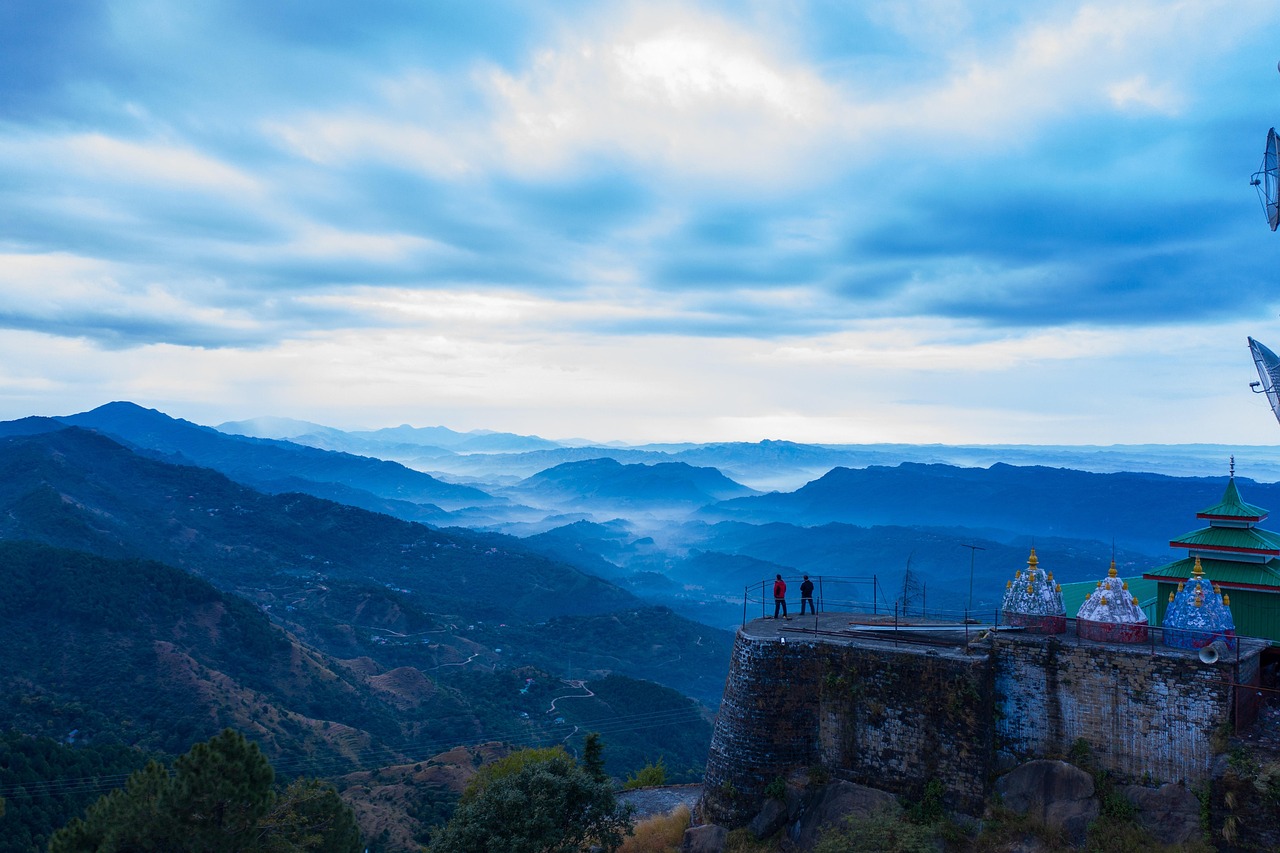
Manali Getaway
⏱ 4 Days
Family, Friends, Solo, Honeymoon, Nature, Mountains
Starting from ₹15999
View Details
Shimla Getaway
⏱ 4 Days
Family, Friends, Solo, Honeymoon, Nature, Mountains
Starting from ₹13999
View Details
Classic Himachal & Amritsar Circuit
⏱ 11 Days
Family, Friends, Solo, Honeymoon, Nature, Mountains, Religious
Starting from ₹40999
View Details
Spiti Valley Expedition
⏱ 9 Days
Family, Friends, Solo, Honeymoon, Nature, Mountains, OffBeat
View Details
Hills to Heritage
⏱ 7 Days
Family, Friends, Solo, Honeymoon, Nature, Mountains, Religious
Starting from ₹22999
View Details
Signature Himachal Tour
⏱ 7 Days
Family, Friends, Solo, Honeymoon, Nature, Mountains
Starting from ₹28999
View Details
Dalhousie Gateway
⏱ 4 Days
Family, Friends, Solo, Honeymoon, Nature, Mountains
Starting from ₹15999
View DetailsMust Know
Himachal Pradesh experiences diverse weather across its hill stations, valleys, and high-altitude regions. The best time to visit for general sightseeing is March to June, when the weather is pleasant and ideal for outdoor activities. For snow lovers, December to February is the perfect period to visit Shimla, Manali, and Kufri. Monsoon months from July to September bring heavy rainfall and landslides in some areas, affecting road connectivity. Travellers should always check weather updates before planning long drives or treks.
Most travel in Himachal involves mountain roads with sharp turns, steep inclines, and unpredictable traffic due to weather or construction. Travel time is often longer than expected despite short distances. Landslides and roadblocks may occur during monsoon or heavy snowfall. Travellers prone to motion sickness should carry appropriate medication. Always use experienced local drivers for hill travel and avoid late-night driving due to poor visibility and narrow roads.
While places like Shimla, Manali, Dharamshala, McLeod Ganj, and Dalhousie are at moderate altitudes, high-altitude destinations like Spiti Valley, Kalpa, Kaza, and Chandratal can cause mild symptoms of altitude fatigue. Travellers should pace their journey, stay hydrated, eat light meals, and avoid strenuous activities upon arrival at higher altitudes. Those with heart, respiratory, or blood pressure issues should consult their doctor before planning a trip to remote high-altitude regions.
Himachal Pradesh is known for its warm hospitality, deep-rooted traditions, and strong spiritual heritage. Temples, monasteries, and traditional villages are integral to local life. Travellers should dress modestly when visiting religious places, maintain silence inside temples and monasteries, and respect local customs. Himachali people value simplicity and courtesy — polite interactions and responsible behavior enhance the travel experience.
Himachali cuisine is simple, flavorful, and comforting. Popular dishes include Siddu, Madra, Dham, Babru, Trout fish (Kullu), Thukpa, and Momos. Most hill stations offer multi-cuisine restaurants and cafés serving Indian, Tibetan, and continental dishes. Street food should be chosen carefully, especially during winters. Tap water is generally not recommended; travellers should consume bottled or filtered water. Due to varying altitudes, digestion may feel slower, so eating light meals is advisable.
Himachal is famous for woollen garments, Kullu & Kinnauri shawls, Tibetan handicrafts, wooden carvings, silver jewellery, Kangra paintings, handmade candles, and organic products. Popular markets include Mall Road (Shimla), Mall Road (Manali), McLeod Ganj Market, Tibetan Market (Dharamshala), and Tibetan Handicraft Centre. Authentic woollens and handicrafts are best purchased from government emporiums or certified shops. Travellers should avoid buying wildlife products, as they are illegal.
Travel during winter offers beautiful snowy landscapes but comes with certain challenges. Heavy snowfall can block roads, delay transfers, or restrict sightseeing. Travellers should carry warm thermals, down jackets, gloves, woollen caps, and waterproof shoes for snow-covered areas. Electricity and water pipes may freeze in some regions during peak winter nights. Hotels in higher altitudes may provide limited heating options, so travellers should check amenities in advance.
Mobile network connectivity is generally good in major towns like Shimla, Manali, Dharamshala, Kasol, and Dalhousie, with Airtel, Jio, and Vi offering coverage. Remote areas like Spiti, Kaza, and certain trekking routes have limited or no connectivity. Internet may be slower in high-altitude regions or during peak tourist seasons. Travellers should not expect reliable connectivity in offbeat villages or remote valleys.
Himachal offers a wide range of adventure sports including paragliding (Bir Billing), river rafting (Kullu & Tattapani), trekking (Triund, Hampta Pass), skiing (Solang), camping, and ziplining. These activities should only be done with licensed operators following proper safety protocols. Paragliding and trekking are weather-dependent, and operations can be canceled at short notice. People with medical conditions or elderly travellers should avoid high-impact activities.
Himachal is home to lush forests, wildlife sanctuaries, streams, and meadows. Travellers should avoid littering, feeding wildlife, or disturbing natural habitats. Plastic bottles and waste should be disposed of responsibly. Trekking routes must be followed strictly to avoid damaging fragile ecosystems. Smoking or lighting fires inside forests is strictly prohibited due to high risk of wildfires, especially in summer.
Taxis, local buses, and shared vehicles are widely available in major towns. Bike and scooty rentals are common in Manali and Dharamshala but should only be taken by experienced riders familiar with hill driving. During winter, two-wheelers are not recommended due to slippery snow-covered roads. Always check vehicle quality, brakes, and tyres before renting.
ATMs are available in major towns but may be limited in remote villages like Kalpa, Sangla, Chitkul, and Spiti. Network issues can affect digital payments, especially in offbeat regions. Travellers should carry sufficient cash for personal expenses, food, and shopping during remote-area stays.
Medical facilities are available in major cities like Shimla, Manali, Dharamshala, and Palampur. Remote regions have basic health centers but may lack advanced medical care. Common travel issues include cold, altitude fatigue, and motion sickness. Travellers should carry essential medicines, especially for cold weather and altitude. Emergency numbers and local contacts should be kept handy during travel.
Travel insurance is strongly recommended for trips to Himachal, especially for winter travel, trekking, or remote-area visits. Insurance helps cover medical emergencies, cancellations due to landslides or heavy snowfall, adventure activity incidents, and baggage loss — ensuring a smooth and secure holiday.
