Travel & Tourism

Destinations

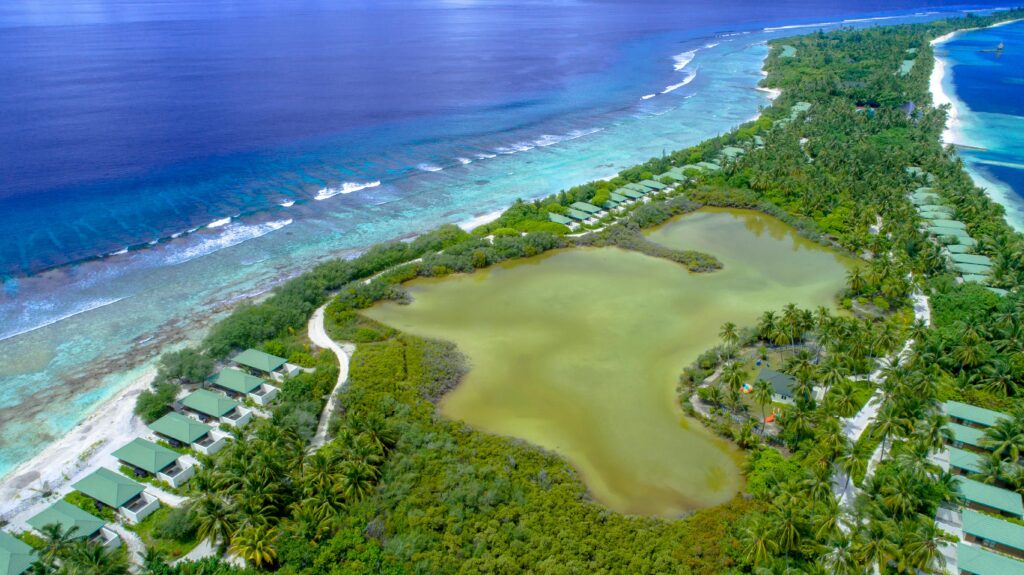
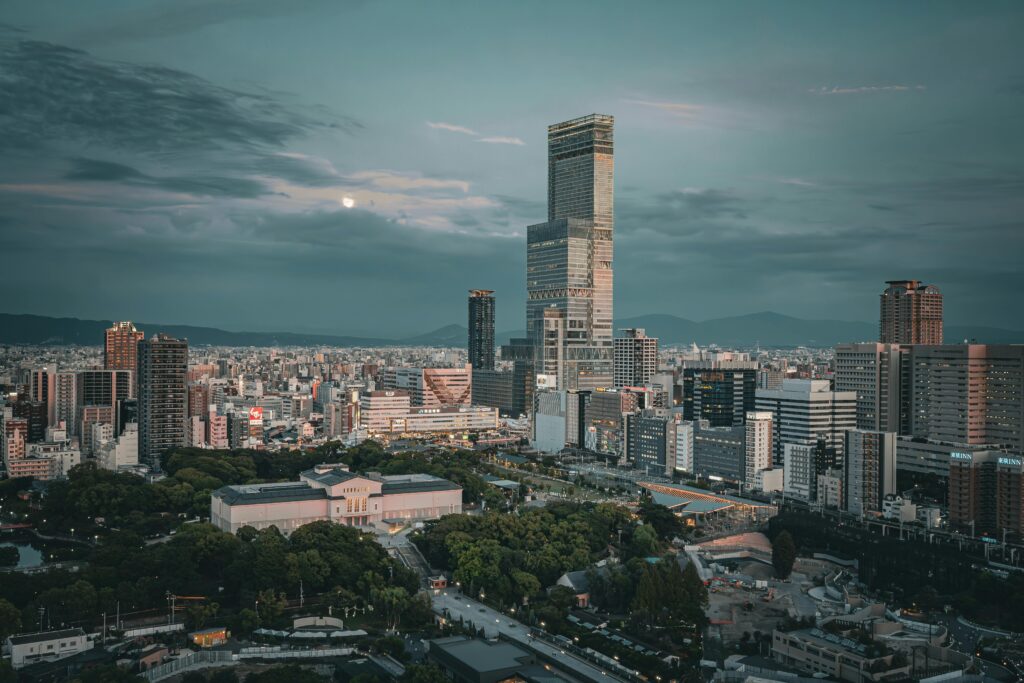
Stunning aerial shot of a tropical resort in Addu City, Maldives.

Mauritius

Mauritius Description Trip Highlights Need Help ? There was an error trying to submit your form. Please try again. Full Name * This field is required. Email * This field is required. Phone Number * This field is required. Where are you planning a trip to ? Request a Callback There was an error trying to submit your form. Please try again. Explore Our Packages Must Know Travel Insurance (Recommended) Travel insurance is strongly recommended for covering medical emergencies, flight or ferry cancellations, water sports injuries, and baggage loss. Weather-related disruptions are common, especially during monsoon months, making insurance valuable for a worry-free trip. Safety, Health & Emergency Support Andaman is one of India’s safest tourist destinations with a strong tourism police presence. However, travellers should avoid restricted forest areas and stick to marked trails and beaches. In case of medical emergencies, hospitals in Port Blair offer good treatment. Electricity & Charging Facilities Electricity supply is stable in Port Blair but may fluctuate on Havelock and Neil. It is advisable to carry power banks, car chargers, and extra camera batteries. Due to humidity and salt in air, electronic devices may drain faster-keep them in waterproof cases. Photography, Drones & Restrictions Photography is allowed at most beaches, but restricted near naval bases and government areas. Drone flying requires formal permission from the Andaman Civil Authority is prohibited. Underwater cameras are allowed but must not be used to disturb coral reefs or species. Shopping & Local Handicrafts Andaman offers beautiful souvenirs such as shell crafts, coconut-based items, pearl jewellery, wooden carvings, spices, handmade soaps, and local art. Port Blair’s Aberdeen Bazaar and Sagarika Emporium are the best places for authentic government-certified products. Environment Protection & Marine Conservation The islands are ecologically sensitive with protected coral reefs, marine reserves, and endangered species. Travellers must refrain from touching corals, collecting shells, or disturbing marine life. Single-use plastic is restricted. Local Culture, Heritage & Etiquette Andaman is home to diverse communities including Bengalis, Tamils, Nicobarese, Ranchis, and settlers from various parts of India. The local culture is simple, welcoming, and strongly nature-oriented. Travellers should respect local customs, dress modestly while visiting religious sites, and avoid disturbing wildlife. Photography inside tribal zones and indigenous tribes is strictly banned. Food, Dining & Local Cuisine Andaman offers a delightful mix of seafood, Indian, and international cuisines. Popular dishes include grilled fish, lobster, prawns, and South Indian meals. Food is generally served fresh, but travellers with dietary restrictions should check in advance, especially on smaller islands where restaurant choices are limited. Tap water is not recommended; always drink bottled or filtered water. Cash, ATMs & Payments Port Blair has several ATMs and digital payment options. However, Havelock and Neil have limited ATM availability, and digital payments may fail due to weak network signals. Travellers should carry sufficient cash for personal expenses, entry fees, water sports, food, and shopping on the islands. Mobile Network & Internet Connectivity Network connectivity in Andaman is improving but still limited compared to mainland India. Airtel and BSNL provide the widest coverage, while Jio is expanding rapidly but may not work in remote areas. Havelock and Neil offer moderate connectivity, while offbeat islands may have weak or no network. Internet speed may be slow, especially during tourist seasons. Tourist should not rely on mobile data Beaches, Swimming Zones & Restrictions Although Andman’s beaches are known for their beauty, not all are safe for swimming. Certain areas may have strong currents or seasonal jellyfish. Designated beaches such as Radhanagar Beach, Elephant Beach, and Bharatpur Beach have lifeguards and marked swimming zones. Travellers must follow warnings and avoid venturing into deep waters without supervision. Water Sports & Safety Guidelines Andaman is one of India’s leading destinations for marine adventures, including scuba diving, sea-walk, snorkeling, kayaking, glass-bottom boat rides, and jet-skiing. These activities are regulated and conducted only at designated points to protect marine life.
Mauritius Read More »

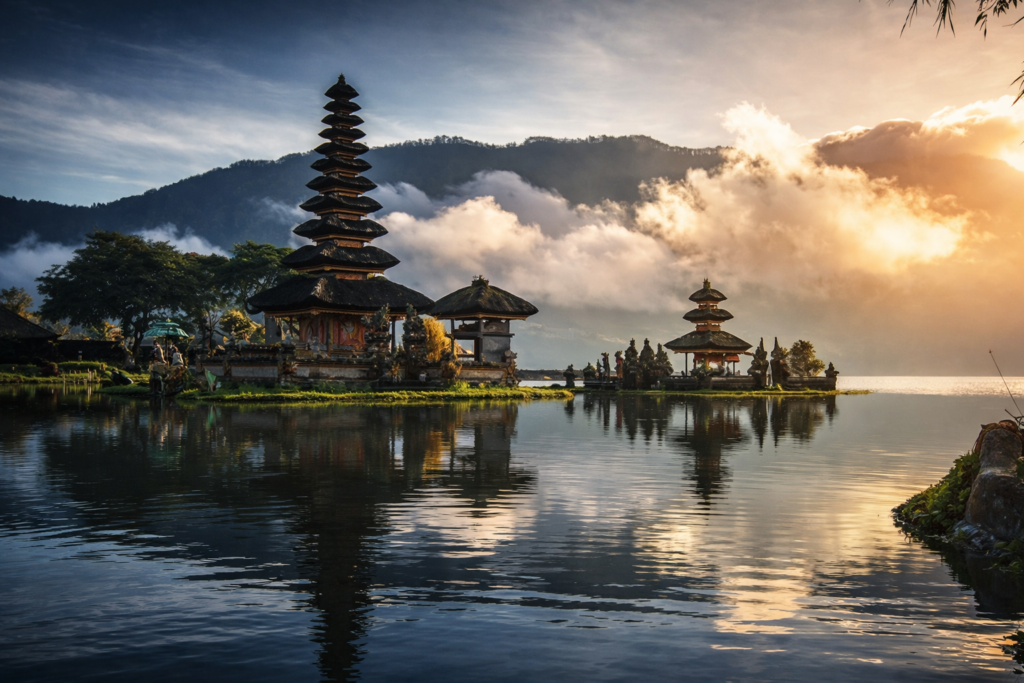
Captivating skyline of Osaka featuring Abeno Harukas at twilight, showcasing Japan's modern architecture.

Japan

Japan Description Trip Highlights Need Help ? There was an error trying to submit your form. Please try again. Full Name * This field is required. Email * This field is required. Phone Number * This field is required. Where are you planning a trip to ? Request a Callback There was an error trying to submit your form. Please try again. Explore Our Packages Must Know Travel Insurance (Recommended) Travel insurance is strongly recommended for covering medical emergencies, flight or ferry cancellations, water sports injuries, and baggage loss. Weather-related disruptions are common, especially during monsoon months, making insurance valuable for a worry-free trip. Safety, Health & Emergency Support Andaman is one of India’s safest tourist destinations with a strong tourism police presence. However, travellers should avoid restricted forest areas and stick to marked trails and beaches. In case of medical emergencies, hospitals in Port Blair offer good treatment. Electricity & Charging Facilities Electricity supply is stable in Port Blair but may fluctuate on Havelock and Neil. It is advisable to carry power banks, car chargers, and extra camera batteries. Due to humidity and salt in air, electronic devices may drain faster-keep them in waterproof cases. Photography, Drones & Restrictions Photography is allowed at most beaches, but restricted near naval bases and government areas. Drone flying requires formal permission from the Andaman Civil Authority is prohibited. Underwater cameras are allowed but must not be used to disturb coral reefs or species. Shopping & Local Handicrafts Andaman offers beautiful souvenirs such as shell crafts, coconut-based items, pearl jewellery, wooden carvings, spices, handmade soaps, and local art. Port Blair’s Aberdeen Bazaar and Sagarika Emporium are the best places for authentic government-certified products. Environment Protection & Marine Conservation The islands are ecologically sensitive with protected coral reefs, marine reserves, and endangered species. Travellers must refrain from touching corals, collecting shells, or disturbing marine life. Single-use plastic is restricted. Local Culture, Heritage & Etiquette Andaman is home to diverse communities including Bengalis, Tamils, Nicobarese, Ranchis, and settlers from various parts of India. The local culture is simple, welcoming, and strongly nature-oriented. Travellers should respect local customs, dress modestly while visiting religious sites, and avoid disturbing wildlife. Photography inside tribal zones and indigenous tribes is strictly banned. Food, Dining & Local Cuisine Andaman offers a delightful mix of seafood, Indian, and international cuisines. Popular dishes include grilled fish, lobster, prawns, and South Indian meals. Food is generally served fresh, but travellers with dietary restrictions should check in advance, especially on smaller islands where restaurant choices are limited. Tap water is not recommended; always drink bottled or filtered water. Cash, ATMs & Payments Port Blair has several ATMs and digital payment options. However, Havelock and Neil have limited ATM availability, and digital payments may fail due to weak network signals. Travellers should carry sufficient cash for personal expenses, entry fees, water sports, food, and shopping on the islands. Mobile Network & Internet Connectivity Network connectivity in Andaman is improving but still limited compared to mainland India. Airtel and BSNL provide the widest coverage, while Jio is expanding rapidly but may not work in remote areas. Havelock and Neil offer moderate connectivity, while offbeat islands may have weak or no network. Internet speed may be slow, especially during tourist seasons. Tourist should not rely on mobile data Beaches, Swimming Zones & Restrictions Although Andman’s beaches are known for their beauty, not all are safe for swimming. Certain areas may have strong currents or seasonal jellyfish. Designated beaches such as Radhanagar Beach, Elephant Beach, and Bharatpur Beach have lifeguards and marked swimming zones. Travellers must follow warnings and avoid venturing into deep waters without supervision. Water Sports & Safety Guidelines Andaman is one of India’s leading destinations for marine adventures, including scuba diving, sea-walk, snorkeling, kayaking, glass-bottom boat rides, and jet-skiing. These activities are regulated and conducted only at designated points to protect marine life.
Japan Read More »

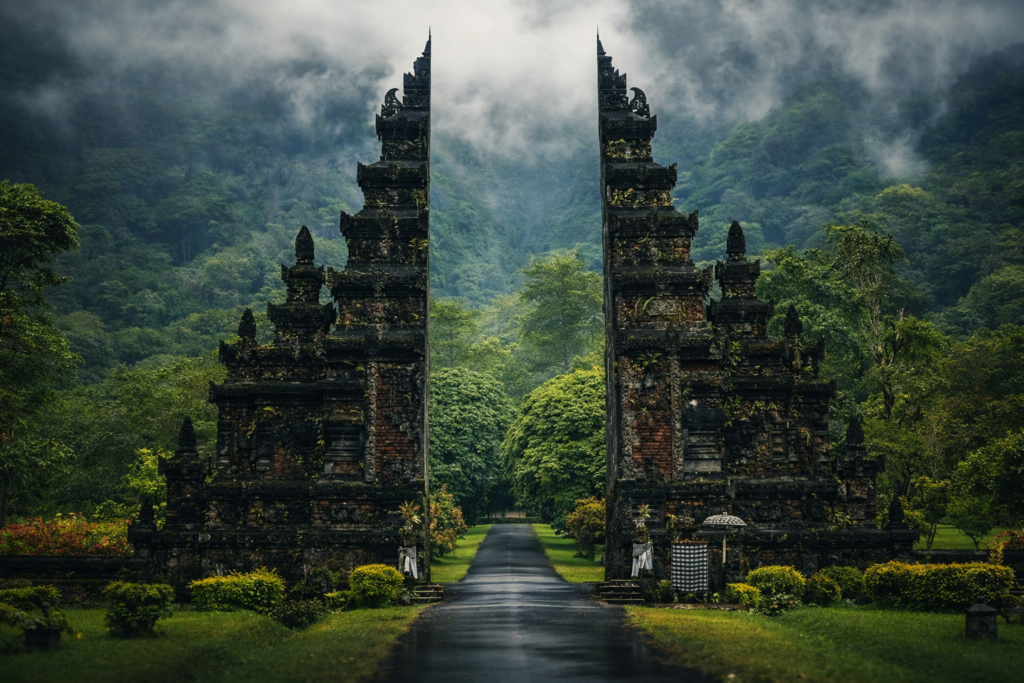
indonesia

Indonesia

Indonesia Description Trip Highlights Need Help ? There was an error trying to submit your form. Please try again. Full Name * This field is required. Email * This field is required. Phone Number * This field is required. Where are you planning a trip to ? Request a Callback There was an error trying to submit your form. Please try again. Explore Our Packages Must Know Travel Insurance (Recommended) Travel insurance is strongly recommended for covering medical emergencies, flight or ferry cancellations, water sports injuries, and baggage loss. Weather-related disruptions are common, especially during monsoon months, making insurance valuable for a worry-free trip. Safety, Health & Emergency Support Andaman is one of India’s safest tourist destinations with a strong tourism police presence. However, travellers should avoid restricted forest areas and stick to marked trails and beaches. In case of medical emergencies, hospitals in Port Blair offer good treatment. Electricity & Charging Facilities Electricity supply is stable in Port Blair but may fluctuate on Havelock and Neil. It is advisable to carry power banks, car chargers, and extra camera batteries. Due to humidity and salt in air, electronic devices may drain faster-keep them in waterproof cases. Photography, Drones & Restrictions Photography is allowed at most beaches, but restricted near naval bases and government areas. Drone flying requires formal permission from the Andaman Civil Authority is prohibited. Underwater cameras are allowed but must not be used to disturb coral reefs or species. Shopping & Local Handicrafts Andaman offers beautiful souvenirs such as shell crafts, coconut-based items, pearl jewellery, wooden carvings, spices, handmade soaps, and local art. Port Blair’s Aberdeen Bazaar and Sagarika Emporium are the best places for authentic government-certified products. Environment Protection & Marine Conservation The islands are ecologically sensitive with protected coral reefs, marine reserves, and endangered species. Travellers must refrain from touching corals, collecting shells, or disturbing marine life. Single-use plastic is restricted. Local Culture, Heritage & Etiquette Andaman is home to diverse communities including Bengalis, Tamils, Nicobarese, Ranchis, and settlers from various parts of India. The local culture is simple, welcoming, and strongly nature-oriented. Travellers should respect local customs, dress modestly while visiting religious sites, and avoid disturbing wildlife. Photography inside tribal zones and indigenous tribes is strictly banned. Food, Dining & Local Cuisine Andaman offers a delightful mix of seafood, Indian, and international cuisines. Popular dishes include grilled fish, lobster, prawns, and South Indian meals. Food is generally served fresh, but travellers with dietary restrictions should check in advance, especially on smaller islands where restaurant choices are limited. Tap water is not recommended; always drink bottled or filtered water. Cash, ATMs & Payments Port Blair has several ATMs and digital payment options. However, Havelock and Neil have limited ATM availability, and digital payments may fail due to weak network signals. Travellers should carry sufficient cash for personal expenses, entry fees, water sports, food, and shopping on the islands. Mobile Network & Internet Connectivity Network connectivity in Andaman is improving but still limited compared to mainland India. Airtel and BSNL provide the widest coverage, while Jio is expanding rapidly but may not work in remote areas. Havelock and Neil offer moderate connectivity, while offbeat islands may have weak or no network. Internet speed may be slow, especially during tourist seasons. Tourist should not rely on mobile data Beaches, Swimming Zones & Restrictions Although Andman’s beaches are known for their beauty, not all are safe for swimming. Certain areas may have strong currents or seasonal jellyfish. Designated beaches such as Radhanagar Beach, Elephant Beach, and Bharatpur Beach have lifeguards and marked swimming zones. Travellers must follow warnings and avoid venturing into deep waters without supervision. Water Sports & Safety Guidelines Andaman is one of India’s leading destinations for marine adventures, including scuba diving, sea-walk, snorkeling, kayaking, glass-bottom boat rides, and jet-skiing. These activities are regulated and conducted only at designated points to protect marine life.
Indonesia Read More »

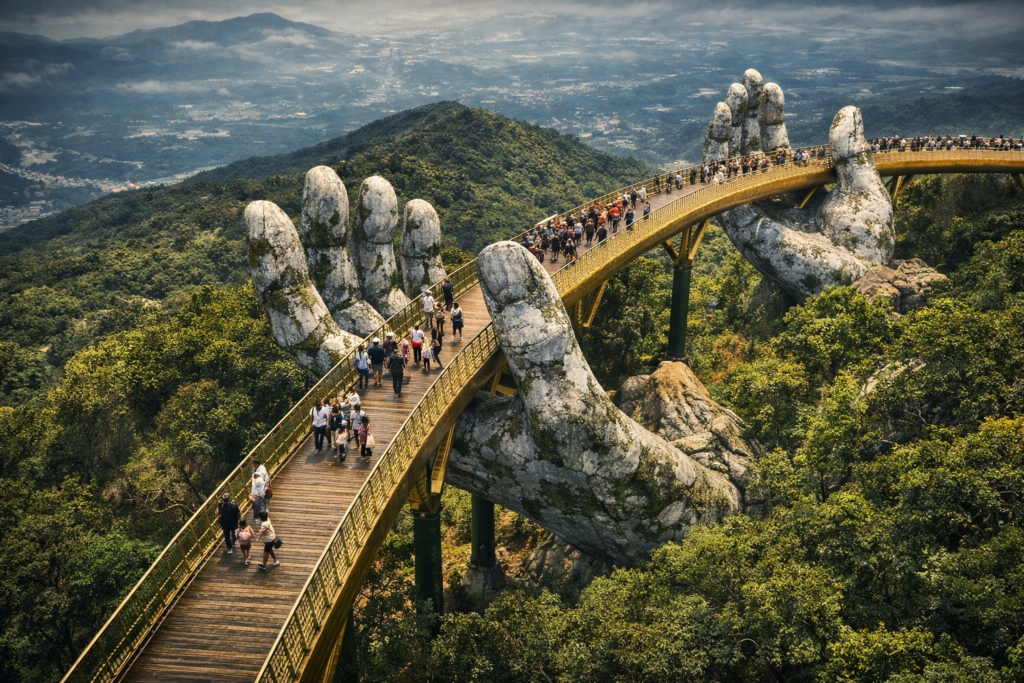
bali

Bali

Bali Description Trip Highlights Need Help ? There was an error trying to submit your form. Please try again. Full Name * This field is required. Email * This field is required. Phone Number * This field is required. Where are you planning a trip to ? Request a Callback There was an error trying to submit your form. Please try again. Explore Our Packages Must Know Weather, Climate & Best Time to Visit Bali enjoys a warm tropical climate year-round, with temperatures ranging between 24°C and 32°C. The best time to visit is April to October, which is the dry season—perfect for beach activities, sightseeing, water sports, and island hopping. The monsoon period from November to March brings occasional heavy showers and higher humidity, although travel remains enjoyable with lower crowds. Regions like Ubud and Kintamani remain cooler and more pleasant throughout the year. Local Culture, Traditions & Etiquette Bali is known for its rich Hindu culture, temple ceremonies, and strong spiritual identity. Visitors should dress modestly when visiting temples such as Tanah Lot, Besakih, Uluwatu, and Ulun Danu. Sarongs are often required and provided at temple entrances. Silence is expected during religious ceremonies, and travellers should avoid pointing feet toward holy objects. Public displays of affection are discouraged in traditional areas, and respecting local customs ensures a more meaningful experience. Food, Dining & Local Cuisine Balinese cuisine is flavorful, aromatic, and diverse. Must-try dishes include Nasi Goreng, Mie Goreng, Babi Guling, Bebek Betutu, Satay Lilit, and tropical fruit bowls. Bali also offers a wide range of international restaurants, vegan cafés, and beach clubs. Street food can be delicious but should be chosen from clean, busy vendors. Tap water is not safe for drinking—travellers should use bottled or filtered water and avoid ice from unknown sources. Shopping & Local Specialties Bali is great for shopping, offering everything from artisan crafts to designer boutiques. Popular items include handmade jewellery, wooden carvings, woven bags, home décor, paintings, essential oils, batik textiles, organic skincare, and spa products. Markets in Ubud, Kuta, and Seminyak offer bargain shopping, while upscale boutiques are found in Canggu and Nusa Dua. Bargaining is common in markets but not in shops with fixed pricing. Transport, Traffic & Getting Around Bali’s roads can be busy, especially in South Bali (Kuta, Seminyak, Canggu). Travellers typically rely on taxis, private cars with drivers, or ride-hailing apps like Grab and Gojek. Renting scooters is popular but recommended only for experienced riders due to traffic and uneven roads. Ensure helmets are worn at all times. Long-distance travel between Ubud, Uluwatu, and North Bali may take 1–3 hours depending on traffic. Beaches, Water Activities & Safety Bali has a variety of beaches—from calm waters in Nusa Dua and Sanur to surfing hotspots in Kuta and Uluwatu. Some beaches have strong currents, so travellers should check warning flags and follow lifeguard instructions. Water sports such as snorkeling, diving, parasailing, jet-skiing, banana boat rides, and sea walking are popular in Tanjung Benoa, Nusa Penida, and Amed. Activities should be booked only with licensed operators to ensure safety and equipment quality. Temple Visits & Spiritual Behavior Bali’s temples are sacred spaces. Visitors should wear modest clothing, avoid crude jokes or loud talking, and respect areas restricted to worshippers. Women who are menstruating traditionally avoid entering temples. Photography is allowed in most areas except inner sanctums—always follow guidelines and signage. Adventure Activities & Island Tours Bali offers endless adventure experiences including volcano trekking (Mount Batur), ATV rides, white-water rafting, jungle swings, ziplining, and snorkeling trips to Nusa Penida, Nusa Lembongan, and Gili Islands. Proper footwear, hydration, and sun protection are essential. Weather can impact boat schedules, especially during monsoon months, so travellers should keep some flexibility in their itinerary. Cash, ATMs & Payments ATMs are widely available in Bali, and credit/debit cards are accepted at most restaurants, resorts, and shops. However, smaller shops, beach vendors, and local markets often require cash. It’s advisable to carry some Indonesian Rupiah (IDR) in small denominations. Currency exchange centers offer competitive rates—prefer authorized counters. Mobile Network & Internet Connectivity Bali has excellent mobile networks, with major providers like Telkomsel, XL Axiata, and Indosat offering reliable 4G/5G connectivity. Affordable SIM cards are easily available at the airport and convenience stores. Wi-Fi is widespread in hotels, cafés, beach clubs, and restaurants. Remote island areas may experience patchy connectivity. Safety, Scams & Tourist Conduct Bali is generally safe, but travellers should be cautious of common scams such as inflated taxi prices, extreme bargaining, or street-side currency exchanges. Always cross-check currency counts. Pickpocketing can occur in crowded areas, so secure your belongings. Be careful while walking on beaches at night and avoid deserted lanes. Bali police are friendly and helpful, and tourist assistance centers are available in major areas. Clothing & Essentials to Carry Light cotton clothing is perfect for Bali’s warm weather. Swimwear, beach cover-ups, sunglasses, hats, and sandals are essential for beach days. For temple visits, carry sarongs or wear modest outfits that cover knees and shoulders. A light jacket is useful for early morning tours like the Mount Batur sunrise trek or cool evenings in Ubud. Don’t forget sunscreen, power banks, reusable bottles, and waterproof phone pouches.

Bali Read More »

vietnam

Vietnam

Vietnam Description Trip Highlights Need Help ? There was an error trying to submit your form. Please try again. Full Name * This field is required. Email * This field is required. Phone Number * This field is required. Where are you planning a trip to ? Request a Callback There was an error trying to submit your form. Please try again. Explore Our Packages Must Know Weather, Climate & Best Time to Visit Vietnam’s weather varies significantly from north to south due to its long vertical shape. The best time to visit Hanoi, Halong Bay, Sapa, Ninh Binh, and Northern Vietnam is from October to April, when temperatures are cool and skies remain clear. Central Vietnam (Danang, Hoi An, Hue) is best from February to August, while the South (Ho Chi Minh City, Mekong Delta, Phu Quoc)** is ideal from November to April. Monsoon rains occur from May to October, especially in central regions, and may cause temporary flooding or delays in sightseeing. Travellers should plan travel dates based on the regions they are exploring. Local Culture, Traditions & Etiquette Vietnamese people are polite, soft-spoken, and respectful. The culture is influenced by Buddhism, Confucian values, and French heritage. When visiting temples and pagodas, travellers should dress modestly, remove footwear, and maintain silence inside prayer zones. Public displays of affection are discouraged in rural areas. Bowing slightly or using both hands to give/receive items is appreciated. Respecting elders and avoiding loud conversations at cultural sites reflect good etiquette. Food, Dining & Local Cuisine Vietnam is globally famous for its fresh and flavourful cuisine. Must-try dishes include Pho, Banh Mi, Bun Cha, Spring Rolls, Cao Lau, Banh Xeo, Egg Coffee, and seafood specialties. Street food is an integral part of the country, especially in Hanoi and Ho Chi Minh City. Travellers should choose clean stalls, avoid raw seafood from roadside vendors, and prefer bottled water. Vegetarians will find options, though Vietnamese cuisine tends to be meat-heavy. Coffee lovers must try authentic Vietnamese drip coffee. Shopping & Local Specialties Vietnam is known for affordable shopping, tailor-made clothing, bamboo crafts, lacquerware, lanterns (Hoi An), coffee, tea, spices, conical hats, paintings, and pearls (Halong Bay). Hoi An is famous for its custom-made suits and dresses delivered within 24–48 hours. Night markets in Hanoi, Danang, and Ho Chi Minh City offer souvenirs, clothing, and street snacks. Bargaining is common in markets but should be polite and reasonable. Transport, Roads & Getting Around Vietnam has good connectivity through domestic flights, buses, trains, and taxis. Grab taxis and motorbike taxis are popular in major cities. Traffic can be chaotic in Hanoi and Ho Chi Minh City, with many motorbikes on the road — travellers should cross streets carefully using pedestrian signals or by moving slowly with the flow. Overnight buses and sleeper trains are available for long-distance travel but may offer basic comfort. Boats and cruises are the main mode of exploration in Halong, Lan Ha, and Mekong Delta. Halong Bay Cruises & Safety Tips Halong Bay, a UNESCO World Heritage Site, offers day cruises, overnight cruises, and luxury boat stays. Safety standards are good, but travellers should book reputable cruise companies. Weather conditions such as fog, storms, or strong winds may cause last-minute cancellations by the authorities for safety reasons. Travellers should carry a light jacket, non-slip footwear, and avoid leaning over railings. Swimming and kayaking are allowed only during approved timings in safe zones. Beaches, Islands & Water Safety Vietnam has beautiful beaches such as Danang, Nha Trang, Mui Ne, and Phu Quoc. Most beaches are safe for swimming, but travellers should follow lifeguard signals and avoid rough sea conditions during monsoon. Snorkeling, diving, water sports, and island-hopping tours are common but must be booked through licensed operators. Coral protection rules apply — touching or stepping on corals is not allowed. Heritage Sites, Temples & Pagoda Etiquette Vietnam has numerous temples, pagodas, and historical sites such as the Imperial City of Hue, My Son Sanctuary, Temple of Literature, and Hoa Lu Ancient Capital. Visitors should dress modestly, avoid pointing at religious statues, and follow photography rules. Early mornings are the best time to explore temples to avoid crowds and heat. Adventure Activities & Safety Guidelines Vietnam offers trekking in Sapa, mountain biking, caving in Phong Nha, sand dune activities in Mui Ne, and river cruises in Mekong Delta. These activities are weather-dependent and should only be done with certified operators. Trekkers should wear proper shoes, carry hydration packs, and avoid risky trails during rain. Some areas require moderate physical fitness, especially Sapa’s terraced climbs. Mobile Network & Internet Connectivity Vietnam has excellent mobile and internet coverage in most tourist areas. Travellers can buy affordable SIM cards from Viettel, Vinaphone, or Mobifone at airports or local shops. Wi-Fi is easily available in hotels, cafés, and restaurants. Remote mountain or island areas may have weak connectivity but are generally accessible. Cash, ATMs & Payments Vietnam accepts both cash and digital payments in most urban areas. ATMs are widely available in major cities and tourist spots. Smaller shops, rural areas, and street vendors often require cash (Vietnamese Dong – VND). Credit/debit cards work well in hotels, restaurants, and malls. It’s advisable to carry small currency notes for convenience. Scams & Tourist Safety Tips Vietnam is generally safe, but travellers should stay alert in crowded markets to avoid pickpocketing or overcharging. Always use registered taxis or Grab to avoid fare scams. Be cautious of overly friendly strangers offering “special travel deals.” Street vendors may quote higher prices to tourists — bargaining is normal. Avoid booking tours from unauthorized street agents. Clothing & Essentials to Carry Light cotton clothes are suitable for Vietnam’s hot climate. A light jacket or shawl is recommended for air-conditioned spaces or cooler regions like Sapa and Halong Bay. Comfortable walking shoes, sunscreen, sunglasses, hats, umbrellas, and rainwear (especially for monsoon) are essential. For temple visits, modest clothing is mandatory.

Vietnam Read More »

malaysia

Malaysia

Malaysia Description Trip Highlights Need Help ? There was an error trying to submit your form. Please try again. Full Name * This field is required. Email * This field is required. Phone Number * This field is required. Where are you planning a trip to ? Request a Callback There was an error trying to submit your form. Please try again. Explore Our Packages Must Know Travel Insurance (Recommended) Travel insurance is strongly recommended for covering medical emergencies, flight or ferry cancellations, water sports injuries, and baggage loss. Weather-related disruptions are common, especially during monsoon months, making insurance valuable for a worry-free trip. Safety, Health & Emergency Support Andaman is one of India’s safest tourist destinations with a strong tourism police presence. However, travellers should avoid restricted forest areas and stick to marked trails and beaches. In case of medical emergencies, hospitals in Port Blair offer good treatment. Electricity & Charging Facilities Electricity supply is stable in Port Blair but may fluctuate on Havelock and Neil. It is advisable to carry power banks, car chargers, and extra camera batteries. Due to humidity and salt in air, electronic devices may drain faster-keep them in waterproof cases. Photography, Drones & Restrictions Photography is allowed at most beaches, but restricted near naval bases and government areas. Drone flying requires formal permission from the Andaman Civil Authority is prohibited. Underwater cameras are allowed but must not be used to disturb coral reefs or species. Shopping & Local Handicrafts Andaman offers beautiful souvenirs such as shell crafts, coconut-based items, pearl jewellery, wooden carvings, spices, handmade soaps, and local art. Port Blair’s Aberdeen Bazaar and Sagarika Emporium are the best places for authentic government-certified products. Environment Protection & Marine Conservation The islands are ecologically sensitive with protected coral reefs, marine reserves, and endangered species. Travellers must refrain from touching corals, collecting shells, or disturbing marine life. Single-use plastic is restricted. Local Culture, Heritage & Etiquette Andaman is home to diverse communities including Bengalis, Tamils, Nicobarese, Ranchis, and settlers from various parts of India. The local culture is simple, welcoming, and strongly nature-oriented. Travellers should respect local customs, dress modestly while visiting religious sites, and avoid disturbing wildlife. Photography inside tribal zones and indigenous tribes is strictly banned. Food, Dining & Local Cuisine Andaman offers a delightful mix of seafood, Indian, and international cuisines. Popular dishes include grilled fish, lobster, prawns, and South Indian meals. Food is generally served fresh, but travellers with dietary restrictions should check in advance, especially on smaller islands where restaurant choices are limited. Tap water is not recommended; always drink bottled or filtered water. Cash, ATMs & Payments Port Blair has several ATMs and digital payment options. However, Havelock and Neil have limited ATM availability, and digital payments may fail due to weak network signals. Travellers should carry sufficient cash for personal expenses, entry fees, water sports, food, and shopping on the islands. Mobile Network & Internet Connectivity Network connectivity in Andaman is improving but still limited compared to mainland India. Airtel and BSNL provide the widest coverage, while Jio is expanding rapidly but may not work in remote areas. Havelock and Neil offer moderate connectivity, while offbeat islands may have weak or no network. Internet speed may be slow, especially during tourist seasons. Tourist should not rely on mobile data Beaches, Swimming Zones & Restrictions Although Andman’s beaches are known for their beauty, not all are safe for swimming. Certain areas may have strong currents or seasonal jellyfish. Designated beaches such as Radhanagar Beach, Elephant Beach, and Bharatpur Beach have lifeguards and marked swimming zones. Travellers must follow warnings and avoid venturing into deep waters without supervision. Water Sports & Safety Guidelines Andaman is one of India’s leading destinations for marine adventures, including scuba diving, sea-walk, snorkeling, kayaking, glass-bottom boat rides, and jet-skiing. These activities are regulated and conducted only at designated points to protect marine life.
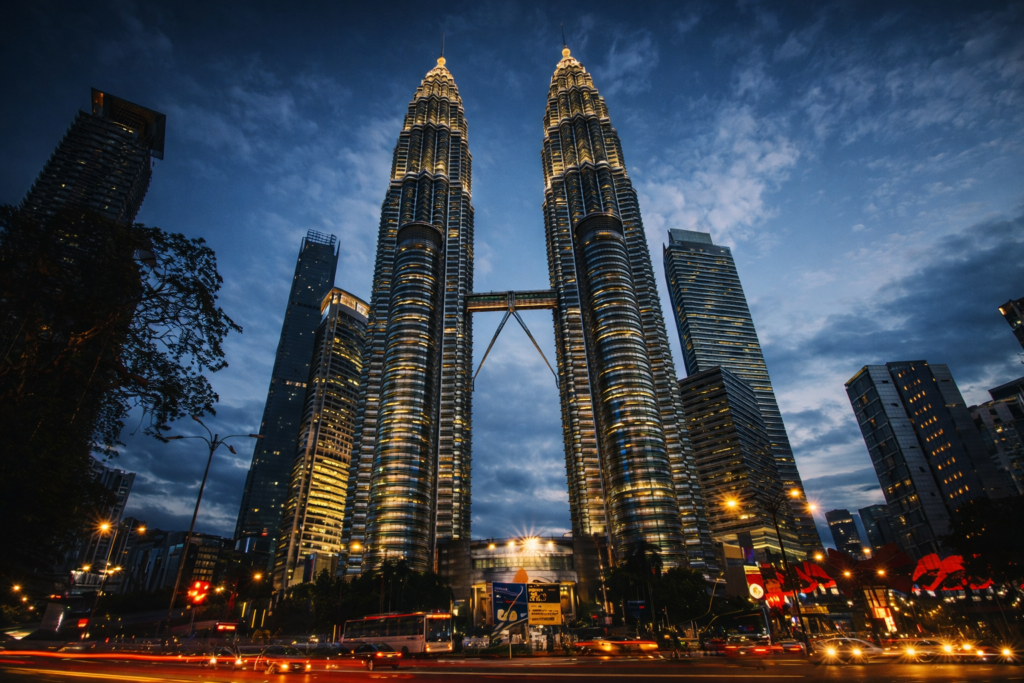
Malaysia Read More »

karnataka

Karnataka

Karnataka Description Trip Highlights Need Help ? There was an error trying to submit your form. Please try again. Full Name * This field is required. Email * This field is required. Phone Number * This field is required. Where are you planning a trip to ? Request a Callback There was an error trying to submit your form. Please try again. Explore Our Packages Must Know Travel Insurance (Recommended) Travel insurance is strongly recommended for covering medical emergencies, flight or ferry cancellations, water sports injuries, and baggage loss. Weather-related disruptions are common, especially during monsoon months, making insurance valuable for a worry-free trip. Safety, Health & Emergency Support Andaman is one of India’s safest tourist destinations with a strong tourism police presence. However, travellers should avoid restricted forest areas and stick to marked trails and beaches. In case of medical emergencies, hospitals in Port Blair offer good treatment. Electricity & Charging Facilities Electricity supply is stable in Port Blair but may fluctuate on Havelock and Neil. It is advisable to carry power banks, car chargers, and extra camera batteries. Due to humidity and salt in air, electronic devices may drain faster-keep them in waterproof cases. Photography, Drones & Restrictions Photography is allowed at most beaches, but restricted near naval bases and government areas. Drone flying requires formal permission from the Andaman Civil Authority is prohibited. Underwater cameras are allowed but must not be used to disturb coral reefs or species. Shopping & Local Handicrafts Andaman offers beautiful souvenirs such as shell crafts, coconut-based items, pearl jewellery, wooden carvings, spices, handmade soaps, and local art. Port Blair’s Aberdeen Bazaar and Sagarika Emporium are the best places for authentic government-certified products. Environment Protection & Marine Conservation The islands are ecologically sensitive with protected coral reefs, marine reserves, and endangered species. Travellers must refrain from touching corals, collecting shells, or disturbing marine life. Single-use plastic is restricted. Local Culture, Heritage & Etiquette Andaman is home to diverse communities including Bengalis, Tamils, Nicobarese, Ranchis, and settlers from various parts of India. The local culture is simple, welcoming, and strongly nature-oriented. Travellers should respect local customs, dress modestly while visiting religious sites, and avoid disturbing wildlife. Photography inside tribal zones and indigenous tribes is strictly banned. Food, Dining & Local Cuisine Andaman offers a delightful mix of seafood, Indian, and international cuisines. Popular dishes include grilled fish, lobster, prawns, and South Indian meals. Food is generally served fresh, but travellers with dietary restrictions should check in advance, especially on smaller islands where restaurant choices are limited. Tap water is not recommended; always drink bottled or filtered water. Cash, ATMs & Payments Port Blair has several ATMs and digital payment options. However, Havelock and Neil have limited ATM availability, and digital payments may fail due to weak network signals. Travellers should carry sufficient cash for personal expenses, entry fees, water sports, food, and shopping on the islands. Mobile Network & Internet Connectivity Network connectivity in Andaman is improving but still limited compared to mainland India. Airtel and BSNL provide the widest coverage, while Jio is expanding rapidly but may not work in remote areas. Havelock and Neil offer moderate connectivity, while offbeat islands may have weak or no network. Internet speed may be slow, especially during tourist seasons. Tourist should not rely on mobile data Beaches, Swimming Zones & Restrictions Although Andman’s beaches are known for their beauty, not all are safe for swimming. Certain areas may have strong currents or seasonal jellyfish. Designated beaches such as Radhanagar Beach, Elephant Beach, and Bharatpur Beach have lifeguards and marked swimming zones. Travellers must follow warnings and avoid venturing into deep waters without supervision. Water Sports & Safety Guidelines Andaman is one of India’s leading destinations for marine adventures, including scuba diving, sea-walk, snorkeling, kayaking, glass-bottom boat rides, and jet-skiing. These activities are regulated and conducted only at designated points to protect marine life.
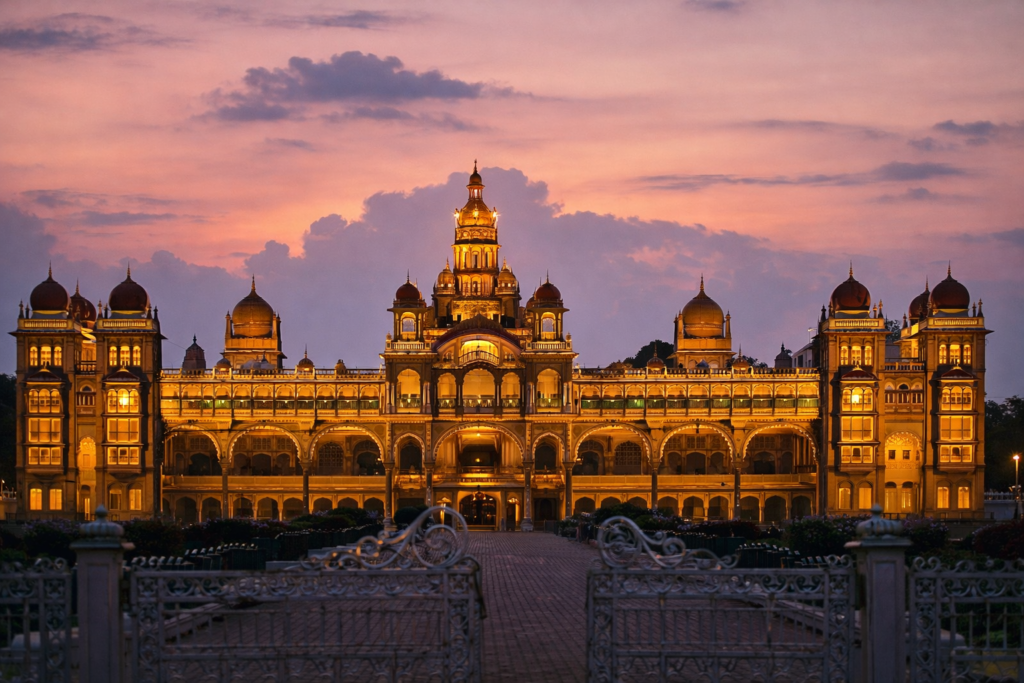
Karnataka Read More »

sikkim

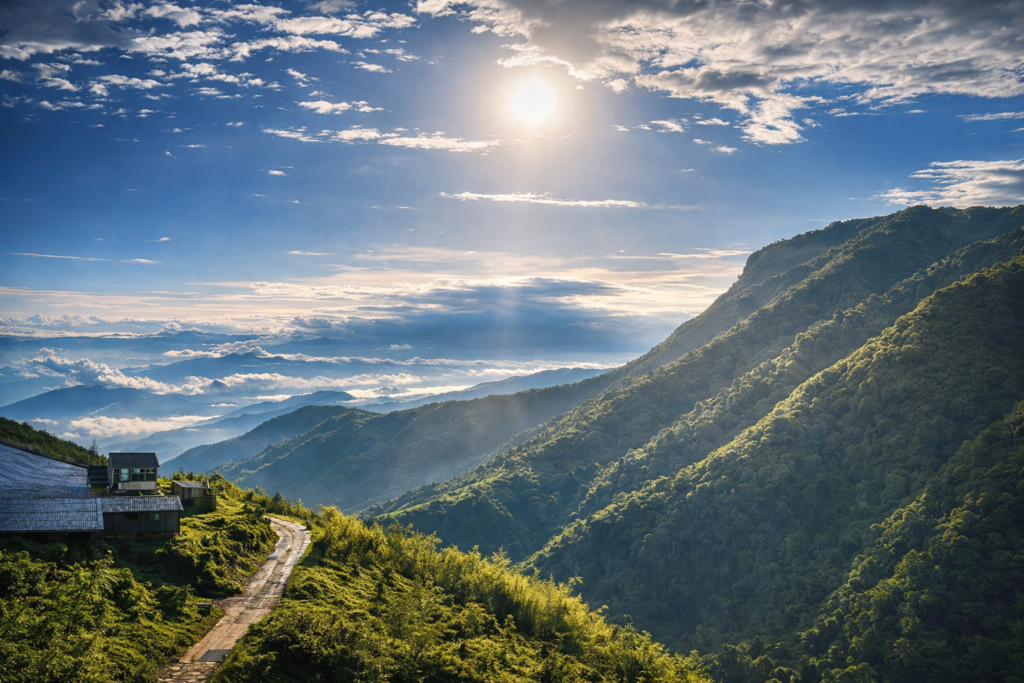
Sikkim

Sikkim Description Trip Highlights Need Help ? There was an error trying to submit your form. Please try again. Full Name * This field is required. Email * This field is required. Phone Number * This field is required. Where are you planning a trip to ? Request a Callback There was an error trying to submit your form. Please try again. Explore Our Packages Must Know Weather, Climate & Best Time to Visit Sikkim experiences a cool Himalayan climate with significant variation across regions. The best time to visit is March to June and September to December, when the weather is clear and suitable for sightseeing, valley views, and lake visits. Summer brings pleasant temperatures in Gangtok, Pelling, and Lachen/Lachung. Winter months (December to February) offer snow in North Sikkim but can be extremely cold with sub-zero temperatures. The monsoon season (June to early September) should be approached with caution due to heavy rainfall, landslides, and restricted mountain movement. Road Conditions, Travel Time & Transportation Sikkim’s terrain consists of steep hills, narrow mountain roads, and long travel durations between key destinations. Road conditions can vary depending on rainfall, landslides, or snowfall. Travel to North Sikkim (Lachen, Lachung, Gurudongmar Lake, Yumthang Valley) often depends on weather and military clearance. Travellers should avoid late-night drives, rely on experienced local drivers, and be prepared for occasional delays due to landslides or fog. Altitude & Health Precautions Many parts of Sikkim, especially North Sikkim, are situated at high altitude. Destinations like Gurudongmar Lake (17,800 ft) and Tsomgo Lake (12,400 ft) require caution, as low oxygen levels can cause fatigue or mild altitude sickness. Travellers should stay hydrated, avoid heavy meals, and ascend gradually. Elderly travellers, infants, pregnant women, and people with heart or respiratory conditions should avoid extremely high-altitude locations unless medically cleared. Permit Requirements (Inner Line Permits & Restricted Areas) Sikkim is a protected area, and several regions require special permits: • Tsomgo Lake, Baba Mandir, Nathu La Pass – require a Protected Area Permit (PAP). • North Sikkim (Lachen, Lachung, Gurudongmar, Yumthang) – require a Restricted Area Permit (RAP). Foreign nationals have additional restrictions and cannot access certain border regions. Permits are arranged through licensed travel agencies and require valid ID (Aadhaar, Voter ID, Passport). PAN card is not accepted. Local Culture, Traditions & Etiquette Sikkim is culturally rich with influences from Lepcha, Bhutia, and Nepali communities. Locals are polite, peaceful, and deeply connected with their traditions. Travellers should dress modestly, especially when visiting monasteries like Rumtek, Pemayangtse, and Enchey. Silence is appreciated in religious areas, photography restrictions must be respected, and shoes should be removed where required. Sikkim values cleanliness and eco-friendly practices — littering is strongly discouraged. Food, Dining & Local Cuisine Sikkimese cuisine reflects Tibetan, Nepali, and Himalayan flavours. Popular dishes include Momos, Thukpa, Gundruk, Phagshapa, Kinema curry, and local teas. Non-vegetarian food is common, but vegetarian options are easily available in tourist areas. In North Sikkim, food is simpler due to remote conditions, often including rice, dal, vegetables, and basic curries. Travellers should prefer bottled water and avoid excessive street food, especially in high-altitude regions. Shopping & Local Handicrafts Sikkim offers unique souvenirs such as handmade carpets, woollens, wooden masks, thangka paintings, Lepcha weaves, organic spices, local teas, bamboo craft, and essential oils. Gangtok’s MG Road, Lal Bazaar, and Pelling’s local markets are popular shopping areas. Travellers should buy authentic products from government emporiums for quality assurance. Monasteries, Temples & Heritage Etiquette Sikkim is home to some of India’s most serene monasteries. When visiting, travellers should maintain silence, avoid touching religious artefacts, and follow photography rules. Early morning visits are ideal for experiencing prayers and peaceful surroundings. Temples and monasteries often require modest clothing and respectful behaviour. Adventure Activities & Safety Guidelines Sikkim offers trekking (Dzongri, Goecha La), river rafting (Teesta), paragliding, mountain biking, and nature walks. These activities are dependent on weather conditions and must be booked only with licensed operators. High-altitude treks require fitness and proper gear. Travellers must avoid trekking alone, especially in remote forest areas. Mobile Network & Internet Connectivity Mobile network is strong in major cities like Bengaluru, Mysuru, Mangalore, Hubli, and coastal areas. Jio, Airtel, and Vi offer reliable connectivity. However, remote plantation areas, deep forest routes, and hilltops may have patchy network coverage. Internet speeds are good in urban regions and moderate in high-altitude or forest areas. Cash, ATMs & Payments ATMs and digital payment options are widely available across Karnataka. However, travellers visiting remote hill stays, forest lodges, or small villages should carry sufficient cash for entry fees, local purchases, and tipping. UPI payments work well in most tourist zones. Health, Hygiene & Emergency Services Major cities like Bengaluru, Mysuru, and Mangalore have excellent hospitals and emergency care. Hill stations and remote regions have basic medical facilities. Travellers should carry essential medicines, mosquito repellent, ORS, and first-aid kits. During monsoon, leeches may be encountered in forested trails—leech socks or salt can be useful. Roadside food should be consumed cautiously to avoid stomach discomfort. Safety, Local Regulations & Tourist Conduct Karnataka is generally safe for tourists. However, travellers should avoid isolated areas late at night and keep valuables secure. Follow forest department rules in wildlife areas and respect temple norms. On beaches, avoid swimming beyond safe zones and follow instructions from lifeguards. During treks, stay on marked trails and avoid wandering into restricted forest areas. Travel Insurance (Highly Recommended) Travel insurance is recommended for those visiting hill stations, wildlife zones, or participating in trekking and adventure activities. It provides coverage for medical emergencies, cancellations, monsoon-related delays, and baggage issues—ensuring a smooth and secure trip.

Sikkim Read More »

rajasthan

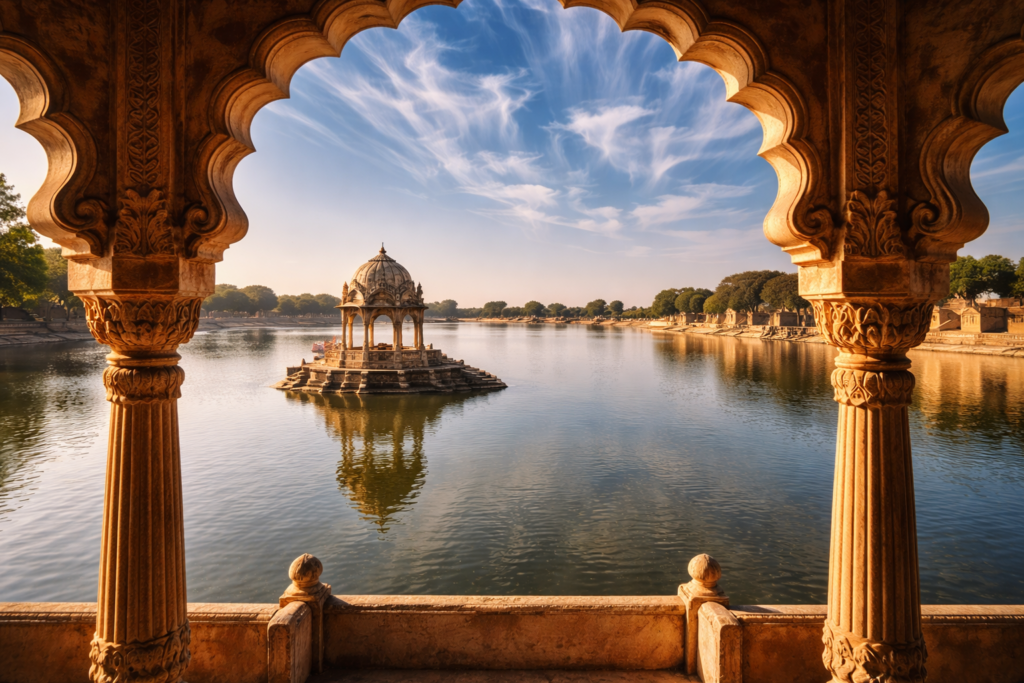
Rajasthan

Rajasthan Description Trip Highlights Need Help ? There was an error trying to submit your form. Please try again. Full Name * This field is required. Email * This field is required. Phone Number * This field is required. Where are you planning a trip to ? Request a Callback There was an error trying to submit your form. Please try again. Explore Our Packages Must Know Weather, Climate & Best Time to Visit Rajasthan has a desert-influenced climate with extreme temperature variations. The best time to visit is October to March, when the weather is cool and ideal for exploring forts, palaces, deserts, and lakes. Summers (April to June) are extremely hot, especially in Jaipur, Jaisalmer, and Jodhpur, with temperatures often crossing 45°C. Monsoon (July to September) brings scattered showers that add freshness to destinations like Udaipur, Mount Abu, and Kumbhalgarh. Travellers should choose travel dates based on comfort with heat and desired experiences such as camel safaris or winter festivals. Road Conditions, Travel Time & Transportation Rajasthan has excellent road connectivity between major tourist cities like Jaipur, Jodhpur, Jaisalmer, Udaipur, Pushkar, and Ajmer. Highways are generally smooth and well-maintained, making long-distance travel comfortable. However, traffic can increase during festivals or peak tourist months. Desert routes near Jaisalmer may be isolated, and travellers should avoid driving at night due to low visibility. Reliable cabs, local taxis, buses, and trains are available, while bike rentals are popular in Jaipur and Udaipur. Local Culture, Traditions & Etiquette Rajasthan is known for its royal heritage, vibrant traditions, folk music, dance, and colourful festivals. The people are warm, hospitable, and deeply rooted in their cultural values. Travellers should dress modestly when visiting temples, forts, and rural areas. Respect local customs, ask permission before taking photographs of locals, and behave with courtesy in heritage sites. Rajasthani culture values politeness, tradition, and honour, and visitors are expected to follow the same spirit. Food, Dining & Local Cuisine Rajasthani cuisine is rich, flavourful, and traditionally vegetarian in many regions. Iconic dishes include Dal Baati Churma, Gatte ki Sabzi, Ker Sangri, Laal Maas, Mohan Maas, Bajre ki Roti, Ghevar, and Mawa Kachori. Rajasthan is also famous for its street food—Kachoris, Mirchi Vada, Samosa, and Jalebi. Jaisalmer and Udaipur offer excellent rooftop restaurants overlooking lakes and forts. Travellers should drink only bottled or filtered water and consume spicy street food in moderation. Shopping & Local Handicrafts Rajasthan is one of India’s best shopping destinations, offering stunning handicrafts and artisanal products. Popular items include hand-block printed textiles, bandhani dupattas, leheriya sarees, mojari footwear, blue pottery, silver jewellery, miniature paintings, camel leather goods, wooden artefacts, and traditional home décor. Jaipur’s Bapu Bazaar, Jodhpur’s Ghanta Ghar Market, Udaipur’s Hathi Pol, and Jaisalmer’s Sadar Bazaar are top markets. Bargaining is common but should be respectful. Avoid buying antiques without proper certification, as exporting them without permission is illegal. Forts, Palaces & Heritage Etiquette Rajasthan’s forts and palaces are UNESCO-recognized heritage treasures. Visitors should walk carefully on uneven steps, respect restricted zones, and avoid touching artifacts and wall paintings. Many monuments have audio guides that enhance the historical experience. Photography may be restricted in certain interior sections — always check signage. Early morning visits help avoid crowds and heat, especially at Amer Fort, Mehrangarh Fort, and Jaisalmer Fort. Desert Safaris & Camel Rides Jaisalmer and Jodhpur offer unforgettable desert experiences, including camel safaris, jeep rides, dune bashing, cultural shows, and tent stays. Sand dunes like Sam and Khuri are popular, especially for sunset views. Winter is the best season for desert activities, as summer can be extremely hot. Travellers should wear light cotton clothes during the day and warm layers at night, as desert temperatures drop significantly after sunset. It is advisable to book safaris with licensed operators who ensure safety and quality. Wildlife, National Parks & Eco-Responsibility Rajasthan is home to famous wildlife sanctuaries such as Ranthambore National Park, Sariska Tiger Reserve, Keoladeo Bird Sanctuary, and Desert National Park. Safaris follow fixed timings and guidelines for wildlife protection. Travellers should avoid littering, loud noises, or feeding animals inside forest areas. Photography is encouraged but should not disturb wildlife. Eco-friendly behaviour helps protect Rajasthan’s rich biodiversity. Festivals & Cultural Experiences Rajasthan hosts vibrant festivals such as Pushkar Camel Fair, Desert Festival (Jaisalmer), Teej, Gangaur, Jaipur Literature Festival, Mewar Festival, and Nagaur Fair. These offer a deep dive into local traditions, folk performances, handicrafts, and cuisine. Travellers visiting during major festivals should book accommodation well in advance as demand surges. Clothing & Essentials to Carry Travellers should carry light cotton clothes for summer and warm layers for winter, especially when visiting desert areas where nights can be cold. Sunscreen, sunglasses, a hat or scarf, and comfortable walking shoes are essential. Hydration is important due to Rajasthan’s dry climate — always carry a water bottle during sightseeing. For desert safaris, carry a light jacket, a shawl, and covered shoes to protect against sand and cold. Safety, Local Regulations & Travel Advisory Rajasthan is considered one of India’s safest tourist states. However, travellers should remain alert in crowded markets and ensure personal belongings are secure. Solo travellers, especially women, should avoid isolated areas late at night. Always follow instructions from local authorities, especially during festivals or heavy tourist influx. At desert camps, avoid wandering too far from the campsite. Mobile Network & Connectivity Jio, Airtel, and Vi offer good connectivity across major cities and tourist sites. Remote desert regions and some wildlife sanctuaries may have weak or unstable network coverage. Internet facilities are strong in most urban areas but slower in remote villages. Cash, ATMs & Payments ATMs are widely available in major cities, while smaller towns and villages may have limited access. Digital payments are accepted in hotels, shops, and restaurants, but remote desert camps and local vendors may only take cash. Travellers should keep sufficient cash for tips, small stalls, and desert activities. Health, Hygiene & Emergencies Rajasthan has good medical facilities in Jaipur, Udaipur, Jodhpur, and Ajmer, with hospitals, clinics, and pharmacies

Rajasthan Read More »

gettyimages 149353949 high

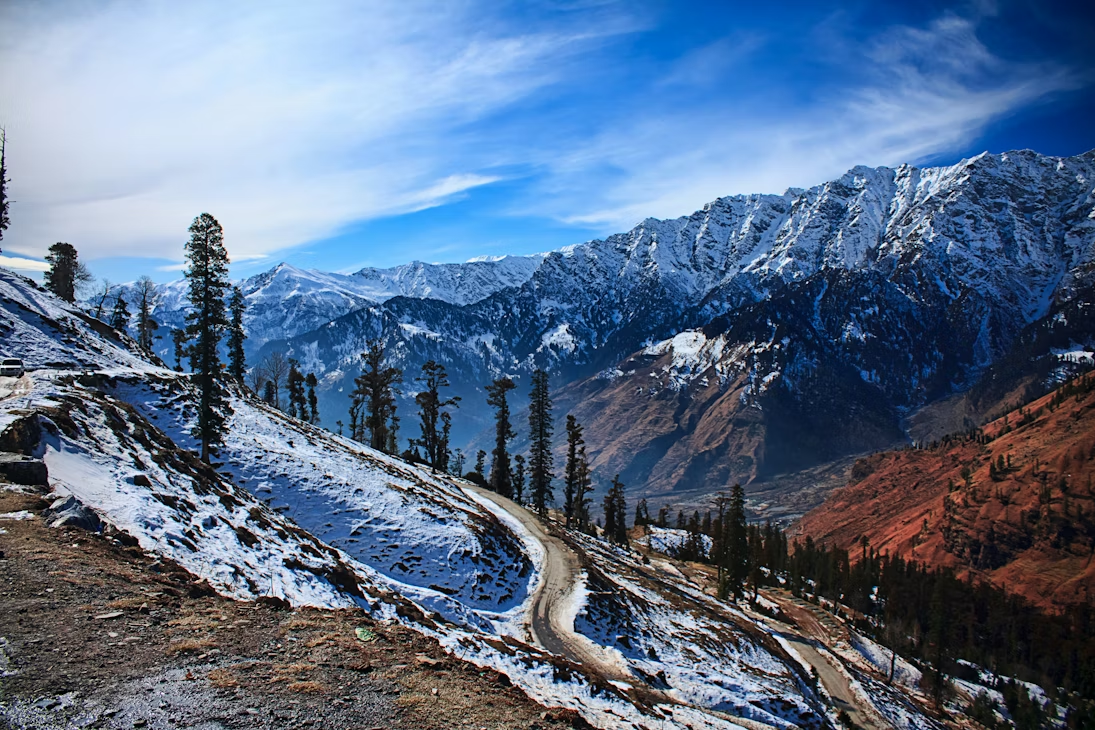
Himachal Pradesh

Himachal Pradesh Description Trip Highlights Need Help ? There was an error trying to submit your form. Please try again. Full Name * This field is required. Email * This field is required. Phone Number * This field is required. Where are you planning a trip to ? Request a Callback There was an error trying to submit your form. Please try again. Explore Our Packages Must Know Weather, Climate & Best Time to Visit Himachal Pradesh experiences diverse weather across its hill stations, valleys, and high-altitude regions. The best time to visit for general sightseeing is March to June, when the weather is pleasant and ideal for outdoor activities. For snow lovers, December to February is the perfect period to visit Shimla, Manali, and Kufri. Monsoon months from July to September bring heavy rainfall and landslides in some areas, affecting road connectivity. Travellers should always check weather updates before planning long drives or treks. Road Conditions, Driving & Travel Time Most travel in Himachal involves mountain roads with sharp turns, steep inclines, and unpredictable traffic due to weather or construction. Travel time is often longer than expected despite short distances. Landslides and roadblocks may occur during monsoon or heavy snowfall. Travellers prone to motion sickness should carry appropriate medication. Always use experienced local drivers for hill travel and avoid late-night driving due to poor visibility and narrow roads. Altitude & Health Precautions While places like Shimla, Manali, Dharamshala, McLeod Ganj, and Dalhousie are at moderate altitudes, high-altitude destinations like Spiti Valley, Kalpa, Kaza, and Chandratal can cause mild symptoms of altitude fatigue. Travellers should pace their journey, stay hydrated, eat light meals, and avoid strenuous activities upon arrival at higher altitudes. Those with heart, respiratory, or blood pressure issues should consult their doctor before planning a trip to remote high-altitude regions. Local Culture, Traditions & Etiquette Himachal Pradesh is known for its warm hospitality, deep-rooted traditions, and strong spiritual heritage. Temples, monasteries, and traditional villages are integral to local life. Travellers should dress modestly when visiting religious places, maintain silence inside temples and monasteries, and respect local customs. Himachali people value simplicity and courtesy — polite interactions and responsible behavior enhance the travel experience. Food, Dining & Local Cuisine Himachali cuisine is simple, flavorful, and comforting. Popular dishes include Siddu, Madra, Dham, Babru, Trout fish (Kullu), Thukpa, and Momos. Most hill stations offer multi-cuisine restaurants and cafés serving Indian, Tibetan, and continental dishes. Street food should be chosen carefully, especially during winters. Tap water is generally not recommended; travellers should consume bottled or filtered water. Due to varying altitudes, digestion may feel slower, so eating light meals is advisable. Shopping & Local Handicrafts Himachal is famous for woollen garments, Kullu & Kinnauri shawls, Tibetan handicrafts, wooden carvings, silver jewellery, Kangra paintings, handmade candles, and organic products. Popular markets include Mall Road (Shimla), Mall Road (Manali), McLeod Ganj Market, Tibetan Market (Dharamshala), and Tibetan Handicraft Centre. Authentic woollens and handicrafts are best purchased from government emporiums or certified shops. Travellers should avoid buying wildlife products, as they are illegal. Snowfall Travel & Winter Tips Travel during winter offers beautiful snowy landscapes but comes with certain challenges. Heavy snowfall can block roads, delay transfers, or restrict sightseeing. Travellers should carry warm thermals, down jackets, gloves, woollen caps, and waterproof shoes for snow-covered areas. Electricity and water pipes may freeze in some regions during peak winter nights. Hotels in higher altitudes may provide limited heating options, so travellers should check amenities in advance. Mobile Network & Connectivity Mobile network connectivity is generally good in major towns like Shimla, Manali, Dharamshala, Kasol, and Dalhousie, with Airtel, Jio, and Vi offering coverage. Remote areas like Spiti, Kaza, and certain trekking routes have limited or no connectivity. Internet may be slower in high-altitude regions or during peak tourist seasons. Travellers should not expect reliable connectivity in offbeat villages or remote valleys. Adventure Activities & Safety Guidelines Himachal offers a wide range of adventure sports including paragliding (Bir Billing), river rafting (Kullu & Tattapani), trekking (Triund, Hampta Pass), skiing (Solang), camping, and ziplining. These activities should only be done with licensed operators following proper safety protocols. Paragliding and trekking are weather-dependent, and operations can be canceled at short notice. People with medical conditions or elderly travellers should avoid high-impact activities. Wildlife, Forests & Eco-Responsibility Himachal is home to lush forests, wildlife sanctuaries, streams, and meadows. Travellers should avoid littering, feeding wildlife, or disturbing natural habitats. Plastic bottles and waste should be disposed of responsibly. Trekking routes must be followed strictly to avoid damaging fragile ecosystems. Smoking or lighting fires inside forests is strictly prohibited due to high risk of wildfires, especially in summer. Local Transport & Rentals Taxis, local buses, and shared vehicles are widely available in major towns. Bike and scooty rentals are common in Manali and Dharamshala but should only be taken by experienced riders familiar with hill driving. During winter, two-wheelers are not recommended due to slippery snow-covered roads. Always check vehicle quality, brakes, and tyres before renting. Cash, ATMs & Payments ATMs are available in major towns but may be limited in remote villages like Kalpa, Sangla, Chitkul, and Spiti. Network issues can affect digital payments, especially in offbeat regions. Travellers should carry sufficient cash for personal expenses, food, and shopping during remote-area stays. Health, Hygiene & Emergencies Medical facilities are available in major cities like Shimla, Manali, Dharamshala, and Palampur. Remote regions have basic health centers but may lack advanced medical care. Common travel issues include cold, altitude fatigue, and motion sickness. Travellers should carry essential medicines, especially for cold weather and altitude. Emergency numbers and local contacts should be kept handy during travel. Travel Insurance (Highly Recommended) Travel insurance is strongly recommended for trips to Himachal, especially for winter travel, trekking, or remote-area visits. Insurance helps cover medical emergencies, cancellations due to landslides or heavy snowfall, adventure activity incidents, and baggage loss — ensuring a smooth and secure holiday.

Himachal Pradesh Read More »

WhatsApp