Kashmir
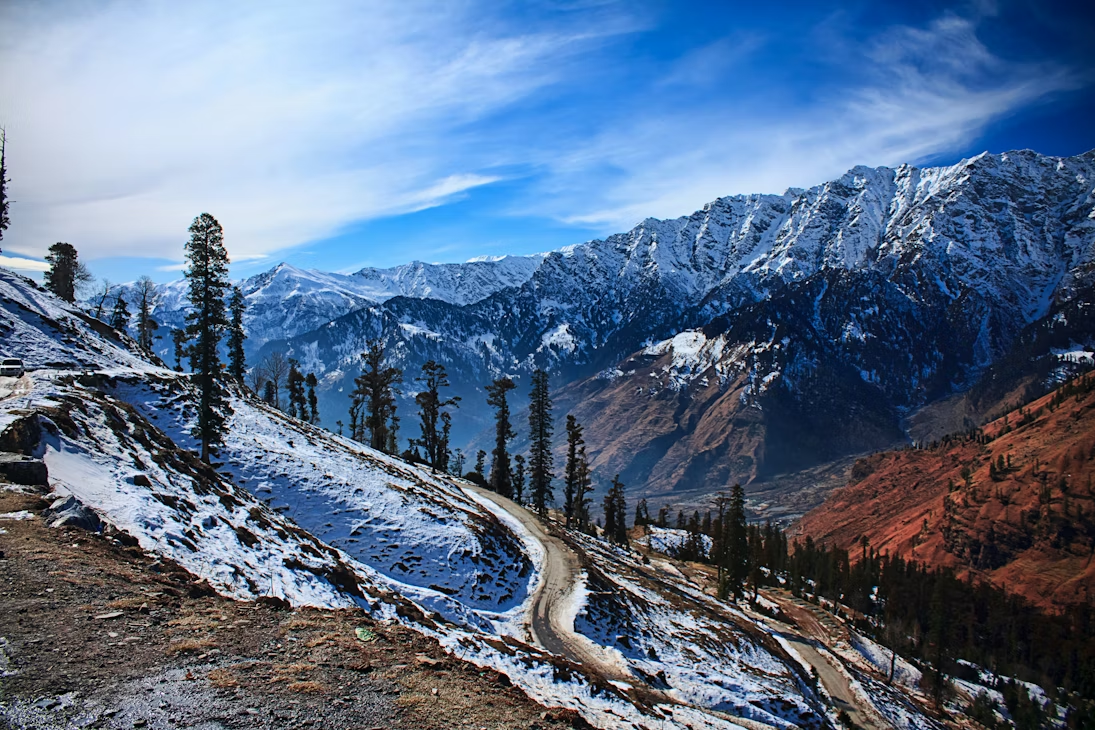
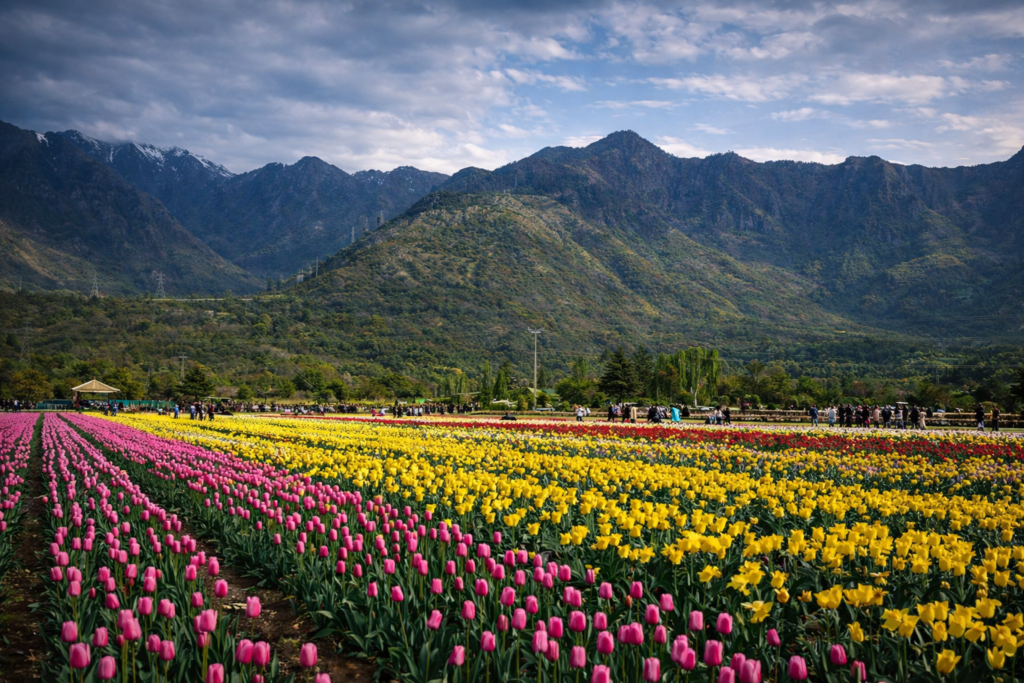
Kashmir Description Trip Highlights Need Help ? There was an error trying to submit your form. Please try again. Full Name * This field is required. Email * This field is required. Phone Number * This field is required. Where are you planning a trip to ? Request a Callback There was an error trying to submit your form. Please try again. Explore Our Packages Must Know Weather, Climate & Best Time to Visit Kashmir experiences four distinct seasons, each offering a unique charm. The best time to visit is March to June, when the weather is pleasant and perfect for sightseeing, shikara rides, and valley views. Autumn months from September to November bring golden landscapes and clear skies. For snow lovers, December to February is ideal for visiting Gulmarg, which transforms into a winter sports paradise. Monsoon has minimal impact in most regions, but occasional showers may occur. Travellers should choose their season based on desired experiences—flowers in spring, lush greenery in summer, golden leaves in autumn, or snow in winter. Road Conditions, Driving & Travel Time Kashmir’s terrain consists of valleys, meadows, and hilly routes, with well-maintained roads to popular destinations like Gulmarg, Pahalgam, and Sonmarg. However, weather conditions—especially snow in winter or fog in early mornings—can slow down travel. Snowfall may temporarily block roads, particularly on routes to Gulmarg and Sonmarg. Travellers should rely on experienced local drivers and avoid night driving in hilly areas. Traffic restrictions may apply in parts of Srinagar due to security protocols, especially during VIP movements. Altitude & Health Precautions Most tourist spots in Kashmir, including Srinagar, Pahalgam, and Gulmarg, are at moderate altitudes and generally do not cause altitude sickness. However, activities such as the cable car (Gondola) ride to Kongdoori or Apharwat (Gulmarg Phase 2) involve high altitudes where some travellers may feel mild breathlessness or fatigue. Staying hydrated, moving at a relaxed pace, and avoiding overexertion help maintain comfort. Travellers with heart or respiratory issues should consult their doctor before visiting high-altitude points. Local Culture, Traditions & Etiquette Kashmir is known for its hospitality, rich traditions, and deep-rooted cultural values. Locals are warm, polite, and welcoming. Travellers should dress modestly, especially when visiting religious sites like mosques, shrines (dargahs), and temples. Always remove footwear where required and respect the sanctity of spiritual spaces. Kashmiri culture values respect, soft communication, and courtesy—small gestures such as greeting locals with “Assalamualaikum” or “Namaskar” are appreciated. Food, Dining & Local Cuisine Kashmiri cuisine is renowned for its rich flavors and traditional cooking style. Popular dishes include Rogan Josh, Yakhni, Gustaba, Kashmiri Pulao, Dum Aloo, Nadru Yakhni, and the iconic Wazwan feast. Vegetarians will find plenty of options, especially in Pahalgam and Srinagar markets. Kashmiri kehwa (saffron tea) and pink noon chai are must-try beverages. Lake-facing restaurants, houseboats, and local cafés offer a mix of Indian, Mughlai, and continental dishes. Travellers should consume well-cooked food and drink bottled water. Shopping & Local Handicrafts Kashmir is famous for its premium handicrafts and artisanal products. Must-buy items include Pashmina shawls, handcrafted carpets, walnut wood carvings, papier-mâché artefacts, saffron, dried fruits (especially almonds, walnuts, and apricots), kahwa tea, dry spices, and traditional clothing like pherans. Authentic products should ideally be purchased from government emporiums or certified stores, as imitation goods are common. Bargaining is acceptable in flea markets but should be done respectfully. Houseboats, Shikara Rides & Dal Lake Guidelines A stay in a Srinagar houseboat and a shikara ride on Dal or Nigeen Lake are memorable experiences. Houseboats range from luxury to budget categories and offer a calm lakeside stay. Travellers should book with reputable operators to ensure hygiene and safety. Shikara rides should be taken only from designated ghats. While exploring floating markets and gardens, travellers should avoid throwing any waste into the lake, as it is an ecologically sensitive water body. Adventure Activities & Safety Guidelines Kashmir offers numerous adventure opportunities including skiing and snowboarding (Gulmarg), trekking (Thajiwas, Aru Valley, Betaab Valley), river rafting (Pahalgam), pony rides, cable car rides, and ATV tours. All activities are weather-dependent and should be booked through licensed operators. Pony rides are common at Sonmarg, Pahalgam, and Gulmarg—travellers should negotiate rates beforehand to avoid misunderstandings. Winter sports require proper snow gear and warm clothing. Photography, Drones & Restrictions Kashmir is a photographer’s dream with scenic lakes, mountains, meadows, and gardens. Photography is allowed at most tourist spots, but restrictions apply around army camps, checkpoints, and security areas. Always respect signs indicating “No Photography.” Drone usage requires official permissions and is typically not allowed due to security reasons. Always be respectful when photographing locals—ask permission politely. Mobile Network & Internet Connectivity Postpaid SIM cards work best in Kashmir. Airtel, Jio, and BSNL offer good connectivity in Srinagar and major towns, while remote regions like Betaab Valley, Aru Valley, and certain routes in Sonmarg may have weak or no signal. Internet speed can vary based on weather and network load. Travellers should download important documents offline. Cash, ATMs & Payments ATMs are widely available in Srinagar, but availability reduces in remote regions like Gulmarg and Pahalgam. Digital payments are accepted in hotels, restaurants, and many shops, but weak network signals may disrupt transactions. Travellers are advised to carry enough cash for pony rides, small vendors, local taxis, and shopping in remote areas. Security, Checkpoints & Local Regulations Kashmir has a strong security presence to ensure tourist safety. Checkpoints are common on highways and city roads, especially during major events or VIP movements. Travellers should cooperate respectfully with authorities and carry valid ID at all times. Tourists are not permitted in restricted military areas and should follow local guidelines during sightseeing or travel. Winter Travel, Snowfall & Preparation Winter transforms Kashmir into a snowy paradise, especially in Gulmarg and Sonmarg. However, heavy snowfall may cause road closures or delays. Travellers should carry warm clothing such as thermals, down jackets, gloves, caps, woollen socks, and waterproof footwear. Snow activities require appropriate gear that can be rented on-site. Power fluctuations may occur in