Travel & Tourism

Destinations

azerbaijan

Azerbaijan

Azerbaijan Description Trip Highlights Need Help ? There was an error trying to submit your form. Please try again. Full Name * This field is required. Email * This field is required. Phone Number * This field is required. Where are you planning a trip to ? Request a Callback There was an error trying to submit your form. Please try again. Explore Our Packages Must Know Travel Insurance Travel insurance is strongly recommended for Bhutan, especially for trekking, mountain travel, adventure activities, and medical emergencies. It covers cancellations, illness, weather delays, and evacuation if required. Local Culture, Traditions & Etiquette Azerbaijan blends European influences with Middle Eastern and Turkic traditions. Locals are warm, hospitable, and respectful. When visiting mosques or religious sites, travellers should dress modestly and remove shoes if required. Public behaviour should be polite and moderate; loud arguments or disrespect toward cultural norms is frowned upon. Azerbaijanis appreciate simple greetings and respectful conduct, especially in traditional towns and villages. Food, Dining & Local Cuisine Azerbaijani cuisine is rich, aromatic, and inspired by Middle Eastern and Mediterranean flavours. Signature dishes include Plov (Pilaf), Dolma, Piti (slow-cooked lamb soup), Kebab varieties, Kutab, and Baklava-style pastries. Fresh bread, local cheeses, and herbal teas are part of daily meals. Travellers will also find Indian, Turkish, Italian, and international cuisine in Baku. Tap water is not recommended—bottled or filtered water is preferable. Vegetarians will find limited options outside major cities, so planning is advised. Shopping & Local Specialties Azerbaijan is known for its carpets, silk scarves, ceramics, dried fruits, saffron, tea, pomegranates, handmade jewelry, and local sweets. Popular shopping zones include: • Nizami Street (Baku) – Branded shopping & boutiques • Old City (Icherisheher) – Souvenirs, handicrafts, carpets • Taza Bazaar – Spices, fruits, nuts, sweets • Ganja & Sheki – Traditional crafts Beware of fake antiques; buy from certified stores if seeking genuine carpets. Transport, Roads & Getting Around Baku has excellent roads, modern public transport, and a well-connected metro system. Taxis (Bolt, Uber) are reliable and affordable. Intercity travel to Gabala, Sheki, and Guba is usually done by private car or bus. Roads to mountain regions are scenic but winding—motion sickness medication may help. Self-driving is possible but requires careful navigation of narrow highways and mountain slopes. Attractions, Mountains & Experiences Azerbaijan offers a combination of historic, natural, and modern attractions. Key highlights include Flame Towers, Old City Baku, Heydar Aliyev Centre, Ateshgah Fire Temple, Yanardag Burning Mountain, Shahdag Ski Resort, Tufandag Cable Car, Gabala Shooting Club, Nohur Lake, Sheki Palace, and mud volcanoes in Gobustan. Mountain areas like Shahdag and Gabala offer skiing, cable cars, zip-lining, and adventure activities during winter and summer seasons. Nature, Outdoor Activities & Safety Outdoor activities include hiking, trekking, skiing, quad biking, cable car rides, boating, and nature walks. Travellers should wear suitable footwear and dress in layers for mountain regions. Weather can change suddenly in high-altitude areas, so carrying jackets and essentials is advisable. Forest, mountain, and lake areas must be respected—littering and disturbing wildlife are strictly discouraged. Mobile Network & Internet Connectivity Azerbaijan has good mobile networks in cities and towns. Providers like Azercell, Bakcell, and Nar offer affordable SIM cards at airports and malls. Wi-Fi is available in hotels, restaurants, and cafés. Remote mountain areas may have weak connectivity, especially in deep valleys or high-altitude zones. Cash, ATMs & Payments The local currency is the Azerbaijani Manat (AZN). Cards are accepted in hotels, malls, and major restaurants, while small shops, markets, and rural attractions may prefer cash. ATMs are common in Baku but limited in smaller towns. Travellers should carry small denominations for convenience. Safety, Rules & Tourist Awareness Azerbaijan is considered very safe for travellers, with low crime rates in tourist zones. Still, visitors should remain cautious of pickpockets in busy markets or crowded areas. Use registered taxis or ride-hailing apps to avoid overcharging. Avoid political discussions or photographing government buildings. Travellers should also be cautious when hiking or exploring remote natural sites. Health, Hygiene & Medical Assistance Basic medical services are available across the country, with modern hospitals in Baku. Travellers should carry essential medicines, as pharmacies outside the capital may have limited stock. Bottled water is recommended for drinking. Food hygiene is generally good in cities, but caution is advised when trying street food in rural regions. Clothing & Essentials to Carry Light cotton clothing is suitable for Baku in summer, while warm clothing and jackets are essential for mountain regions like Shahdag and Gabala, especially in winter. Comfortable walking shoes, sunscreen, hats, sunglasses, power banks, and reusable water bottles are essential. Umbrellas or raincoats are useful during spring and autumn. Winter Travel (Shahdag & Gabala) Winter months (December–February) are perfect for skiing, snowboarding, cable car rides, and snow activities. Temperatures can drop significantly in mountain resorts—thermals, gloves, scarves, and waterproof jackets are essential. Snowfall can affect road conditions, so travel plans should accommodate occasional delays. Environmental Responsibility & Clean Tourism Travellers should avoid littering, plastic waste, and damaging natural zones such as mud volcanoes, lakes, and mountains. Respecting heritage sites and local customs helps preserve Azerbaijan’s natural and cultural beauty. Travel Insurance (Highly Recommended) Travel insurance is strongly recommended for Azerbaijan, especially for winter sports, adventure activities, and mountain travel. It covers medical emergencies, flight delays, baggage issues, and unexpected incidents, ensuring complete peace of mind.
Azerbaijan Read More »

srilanka

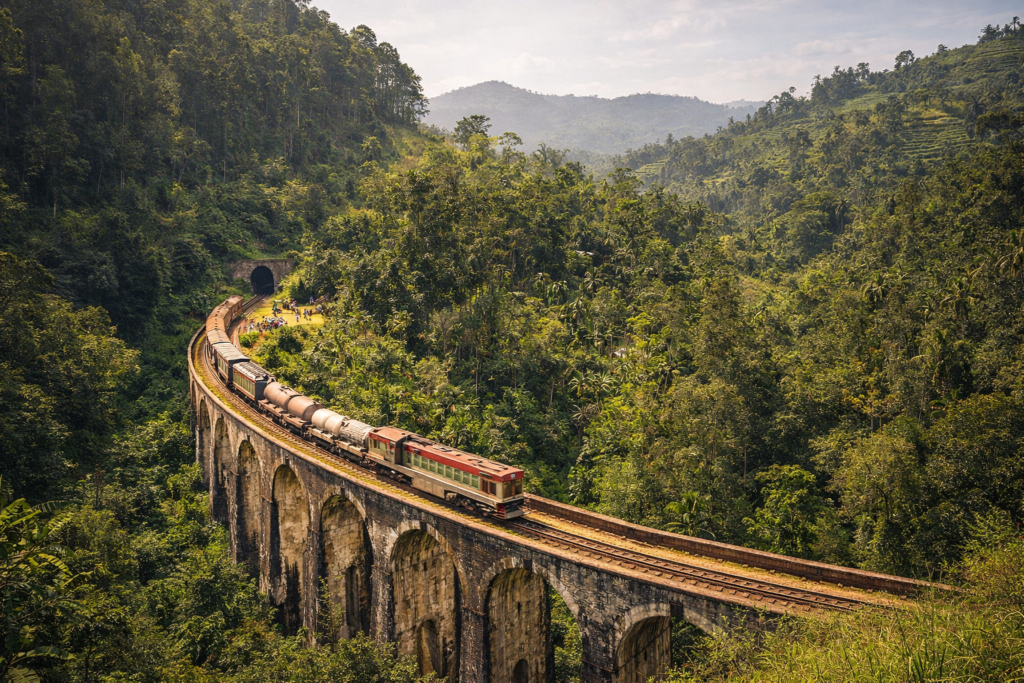
Sri Lanka

Sri Lanka Description Trip Highlights Need Help ? There was an error trying to submit your form. Please try again. Full Name * This field is required. Email * This field is required. Phone Number * This field is required. Where are you planning a trip to ? Request a Callback There was an error trying to submit your form. Please try again. Explore Our Packages Must Know Weather, Climate & Best Time to Visit Sri Lanka enjoys a tropical climate with warm temperatures throughout the year. Because the island is affected by two monsoon systems, the best time to visit depends on the region: • South & West Coast (Colombo, Bentota, Galle, Mirissa) – Best from November to April • East Coast (Trincomalee, Passikudah, Arugam Bay) – Best from May to September • Hill Country (Kandy, Nuwara Eliya, Ella) – Pleasant year-round with cool temperatures Rainfall is common but usually short. Travellers should choose locations based on seasonal patterns for the best experience. Local Culture, Customs & Etiquette Sri Lanka is culturally rich, influenced by Buddhism, Hinduism, and colonial heritage. Locals are warm, polite, and humble. When visiting temples such as the Temple of the Tooth (Kandy) or Gangaramaya (Colombo), modest clothing is essential—shoulders and knees must be covered, and shoes removed. Touching Buddhist statues or taking selfies facing your back to them is considered disrespectful. Public behaviour should be calm and respectful. Food, Dining & Local Cuisine Sri Lankan cuisine is flavorful and aromatic, known for rice and curry, hoppers, string hoppers, kottu roti, seafood, sambols, and tropical fruits. Coastal areas offer excellent seafood delicacies. Street food is popular but should be chosen carefully from hygienic stalls. Tap water is not recommended—drink bottled or filtered water. Vegetarians will find ample options, as many dishes are plant-based or coconut based. Shopping & Local Specialties Sri Lanka offers beautiful handicrafts, gemstones, tea, spices, batik fabric, wooden carvings, and Ayurvedic wellness products. Popular shopping zones include: • Colombo – ODEL, Barefoot, Laksala • Kandy & Galle – Gems, handicrafts, spices • Ella – Handmade gifts, local teas Travellers should purchase gemstones only from reputed, certified stores to avoid imitation stones. Bargaining is acceptable in local markets. Transport, Roads & Getting Around Sri Lanka has scenic highways and well-connected routes. Trains offer beautiful journeys through the hill country (Kandy–Ella). Tuk-tuks are common for short city rides—always negotiate fares or use metered tuk-tuks. Private cars with drivers are recommended for intercity travel. Traffic can be slow in major towns due to narrow roads. Long-distance travel may take longer than expected. Beaches, Water Activities & Safety Sri Lanka’s beaches like Bentota, Mirissa, Hikkaduwa, Galle, Trincomalee, and Nilaveli are perfect for swimming and water sports. Activities include snorkeling, scuba diving, dolphin watching, whale watching, surfing, and boat trips. During monsoon months, certain beaches may have strong currents—swim only in designated safe zones and follow lifeguard instructions. Wildlife Safaris & National Parks Sri Lanka is famous for its national parks such as Yala, Udawalawe, Minneriya, and Wilpattu, offering sightings of elephants, leopards, crocodiles, birds, and more. Safari timings depend on weather conditions. Feeding animals is prohibited, and travellers must maintain silence near wildlife. Eco-friendly behaviour helps protect Sri Lanka’s fragile ecosystems. Temple Visits & Historical Sites Sri Lanka’s cultural triangle includes Sigiriya Rock Fortress, Polonnaruwa, Anuradhapura, and Dambulla Cave Temple, all requiring modest attire and respectful behaviour. Sun protection is essential as many heritage sites involve open-area climbing and walking. Photography may be restricted inside sacred caves or religious chambers. Hill Country Travel (Kandy, Nuwara Eliya, Ella) The hill regions offer cool climates, lush tea estates, waterfalls, and scenic train journeys. Roads are winding, so travellers prone to motion sickness should carry medication. Evenings can be chilly—warm layers are recommended. Activities include tea factory tours, hikes, waterfalls, and viewpoint visits. Mobile Network & Internet Connectivity Sri Lanka has good network coverage with providers such as Dialog, Mobitel, Airtel, and Hutch. SIM cards are affordable and easily available at the airport. Wi-Fi is common in hotels and cafés. Remote forest areas or hill stations may experience slow connectivity. Cash, ATMs & Payments Sri Lankan Rupee (LKR) is the local currency. ATMs are widely available in major cities and tourist areas. Card payments are accepted in hotels, restaurants, and retail outlets. Local shops, tuk-tuks, and small food stalls often prefer cash. Carry small change for convenience. Safety, Scams & Tourist Awareness Sri Lanka is generally safe for tourists. However, travellers should be cautious of: • Overpriced tuk-tuk rides • Fake gem shops • Unauthorized guides at tourist sites Use only licensed guides and reputable travel providers. Beaches are safe, but travellers should avoid walking alone late at night in secluded areas. Health, Hygiene & Medical Assistance Medical facilities are good in major cities, with hospitals and clinics easily accessible. Travellers should use sunscreen, stay hydrated in warm weather, and carry mosquito repellent, especially for coastal or forest areas. It is advisable to carry basic medicines and avoid consuming unhygienic street food. Tap water should be avoided. Clothing & Essentials to Carry Light cotton clothing is suitable for warm coastal regions. For hill country, pack sweaters or jackets. Essentials include sunscreen, sunglasses, hats, comfortable footwear, power banks, raincoats (especially during monsoon), and modest attire for temples. Beachwear is acceptable only at beaches and resort pools. Environmental Responsibility & Clean Tourism Sri Lanka encourages clean and sustainable tourism. Travellers should avoid littering, reduce plastic use, and respect natural habitats. Coral reefs, forests, and national parks are sensitive zones—follow instructions from wildlife and forest authorities. Travel Insurance (Highly Recommended) Travel insurance is strongly recommended for Sri Lanka trips, covering medical emergencies, safari activities, lost baggage, cancellations, and adventure tours. Insurance provides peace of mind throughout the journey.

Sri Lanka Read More »

thailand1

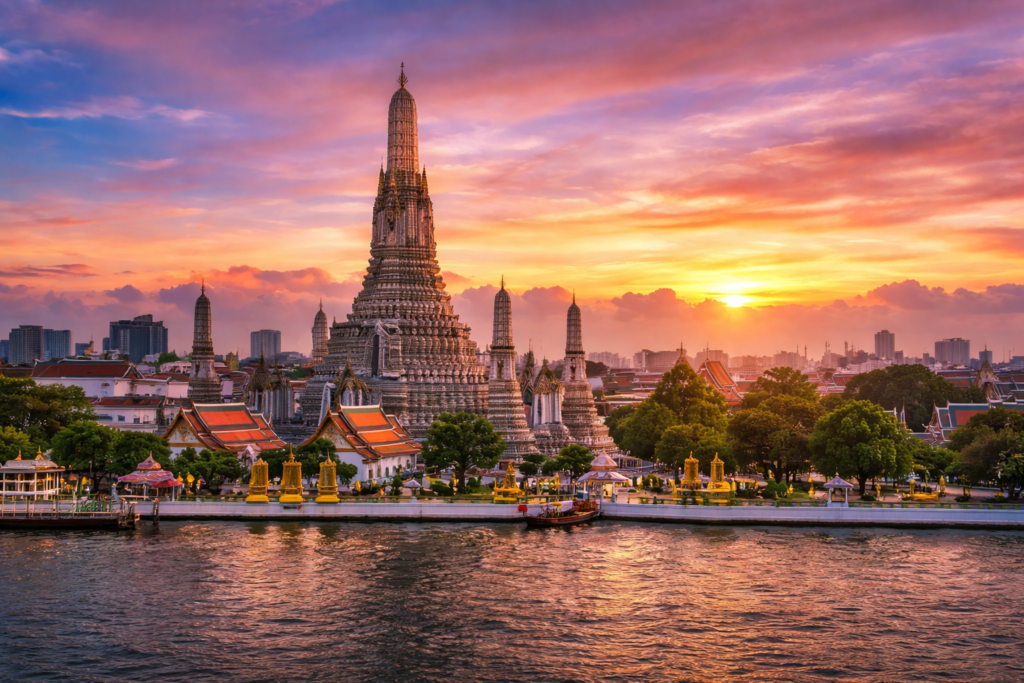
Thailand

Thailand Description Trip Highlights Need Help ? There was an error trying to submit your form. Please try again. Full Name * This field is required. Email * This field is required. Phone Number * This field is required. Where are you planning a trip to ? Request a Callback There was an error trying to submit your form. Please try again. Explore Our Packages Must Know Weather, Climate & Best Time to Visit Thailand has a tropical climate with warm temperatures throughout the year. The best time to visit is November to March, when the weather is sunny, pleasant, and ideal for beaches, sightseeing, and outdoor activities. April and May are hot, especially in Bangkok and Chiang Mai. The monsoon season from June to October brings heavy showers in many regions, though islands like Koh Samui experience different rainfall cycles and remain good for travel during certain months. Travellers should plan based on region and season. Local Culture, Traditions & Etiquette Thai culture is built on respect, hospitality, and Buddhist values. The traditional greeting, “Wai”, is done with palms pressed together. Travellers should dress modestly when visiting temples, remove shoes before entering, and speak softly in sacred areas. Touching someone’s head, pointing feet at people or Buddha statues, or showing disrespect towards the Thai Royal Family is considered inappropriate. Public displays of affection should be minimal outside beaches or nightlife zones. Food, Dining & Local Cuisine Thai cuisine is globally loved for its balance of sweet, spicy, sour, and salty flavours. Must-try dishes include Pad Thai, Green Curry, Tom Yum Soup, Massaman Curry, Papaya Salad, Mango Sticky Rice, and fresh seafood. Night markets offer delicious and affordable street food, but travellers should choose clean and busy stalls. Tap water is not recommended—stick to bottled water. Vegetarian, vegan, Jain, halal, and Indian food options are widely available, especially in Bangkok and Phuket. Shopping & Local Specialties Thailand is one of Asia’s best shopping destinations. Popular buys include Thai silk, spa products, essential oils, handmade crafts, jewellery, clothing, footwear, electronics, dried fruits, and souvenirs. Top shopping areas include Bangkok’s MBK, Chatuchak Market, Platinum Mall, Siam Paragon, and Chiang Mai Night Bazaar. Bargaining is common in markets but not in malls or branded stores. Transport, Tuk-Tuks & Getting Around Thailand is well connected through domestic flights, buses, metros, tuk-tuks, ferries, and taxis. In Bangkok, the BTS Skytrain and MRT make commuting easy. Tuk-tuks are iconic but should be used for short trips with pre-negotiated fares. Ride-hailing apps like Grab are safe and reliable. On islands, scooters can be rented but should be driven carefully due to uneven roads. Traffic in Bangkok can be heavy during peak hours. Attractions, Islands & Experiences Thailand offers a mix of beaches, temples, wildlife, nightlife, and adventure. Key attractions include Phuket, Krabi, Phi Phi Islands, Bangkok Temples, Pattaya, Chiang Mai, Ayutthaya, James Bond Island, Safari World, Coral Island, Floating Markets, and Golden Triangle. Island tours are popular but depend on sea conditions—boat trips may be limited during storms or heavy rain. Many temples and royal sites require modest dressing and respectful behaviour. Beaches, Water Activities & Safety Thailand is famous for its turquoise beaches and water sports. Activities include snorkeling, scuba diving, parasailing, kayaking, jet skiing, banana boat rides, and island-hopping. Certain beaches experience strong waves during monsoon—travellers should follow flag warnings and avoid swimming in red-flag zones. Always book water sports with licensed operators offering safety equipment. Thai Massage, Spas & Wellness Thailand is known for its traditional Thai spas and wellness therapies. Massage centres range from high-end luxury spas to affordable local parlours. Only visit reputed centres for hygiene and professional service. Travellers should clarify massage type before starting and avoid unlicensed establishments. Nightlife, Entertainment Districts & Conduct Bangkok, Phuket, and Pattaya have vibrant nightlife zones offering clubs, beach bars, night markets, and entertainment shows. Travellers should drink responsibly, avoid accepting drinks from strangers, and follow local laws. Public intoxication is discouraged, and misbehaviour can attract police action. Age restrictions apply in clubs and bars. Mobile Network & Internet Connectivity Thailand has excellent connectivity, with high-speed 4G/5G networks. SIM cards from AIS, DTAC, and TrueMove are affordable and available at airports and convenience stores. Hotels, malls, restaurants, and cafés offer free Wi-Fi. Remote beaches or mountain areas may have weaker signals. Cash, ATMs & Digital Payments Thai Baht (THB) is the local currency. ATMs are widely available, and most hotels, stores, and restaurants accept cards. Street vendors, tuk-tuk drivers, and local markets prefer cash. Travellers should keep small denominations for convenience. Currency exchange rates are generally better at city money changers than at airports. Safety, Scams & Tourist Awareness Thailand is safe for tourists, but travellers should watch out for common scams such as overpriced tuk-tuk rides, fake gem shops, unmetered taxis, and informal tour sellers. Always use licensed tour operators, avoid isolated areas late at night, and keep personal belongings secure. Local police and tourist information counters are helpful and accessible. Health, Hygiene & Medical Assistance Thailand has good medical facilities in major cities and tourist destinations. Travellers should stay hydrated in the tropical weather, use sunscreen, and carry mosquito repellent, especially in parks or islands. Avoid tap water and opt for bottled water. Street food at reputable stalls is generally safe, but undercooked seafood should be avoided. Clothing & Essentials to Carry Light cotton clothing is ideal for the warm climate. Swimwear, flip-flops, sunglasses, hats, and sunscreen are essential for island destinations. When visiting temples, travellers must dress modestly—shoulders and knees should be covered. A light jacket is useful for air-conditioned malls, buses, and evening boat rides. Environmental Responsibility Thailand has many eco-sensitive beaches, islands, and national parks. Travellers should avoid littering, protect coral reefs, avoid touching marine animals, and follow rules at protected sites like Maya Bay, Similan Islands, and Khao Sok National Park. Single-use plastic reduction is encouraged. Travel Insurance (Highly Recommended) Travel insurance is highly recommended for Thailand, covering medical care, water activities, cancellations, lost baggage, and adventure excursions.

Thailand Read More »

singapore

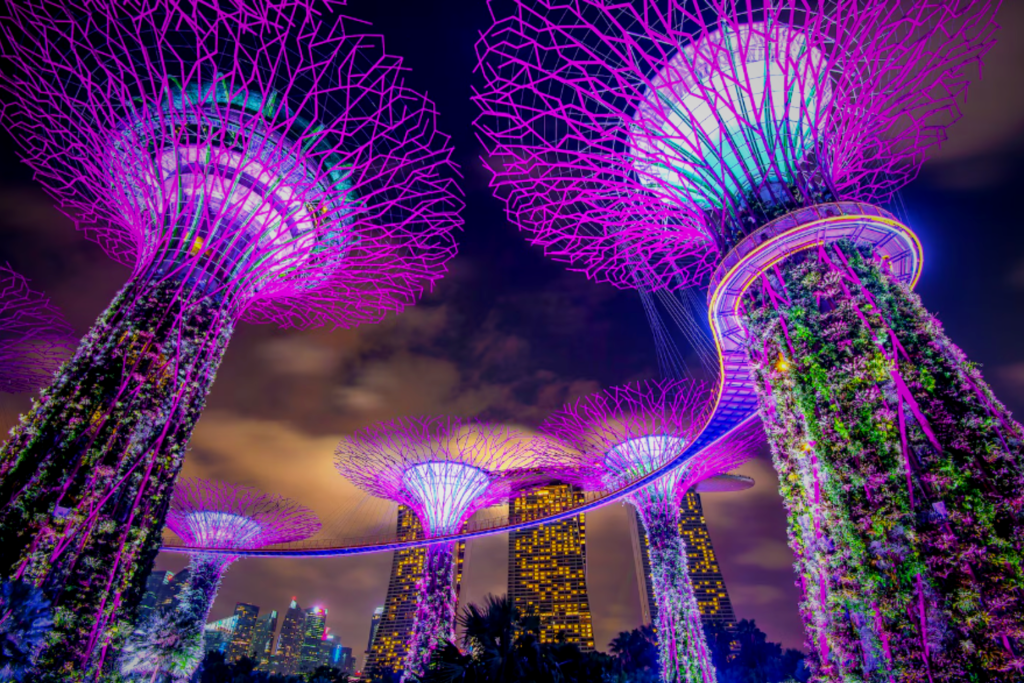
Singapore

Singapore Description Trip Highlights Need Help ? There was an error trying to submit your form. Please try again. Full Name * This field is required. Email * This field is required. Phone Number * This field is required. Where are you planning a trip to ? Request a Callback There was an error trying to submit your form. Please try again. Explore Our Packages Must Know Weather, Climate & Best Time to Visit Singapore has a warm, humid, tropical climate throughout the year with temperatures between 25°C and 32°C. Rainfall is frequent but usually short, making Singapore a year-round destination. The best months to visit are December to June, when the weather is slightly cooler and ideal for sightseeing, theme parks, gardens, and night safaris. Occasional showers should be expected anytime—carrying a small umbrella or rain jacket is recommended. Local Culture, Laws & Etiquette Singapore is known for its cleanliness, discipline, and multicultural harmony, influenced by Chinese, Malay, Indian, and Peranakan cultures. The country enforces strict laws to maintain order and safety. Littering, spitting, jaywalking, smoking in restricted areas, and carrying chewing gum are fined heavily. Travellers should dress modestly at temples and mosques, remove footwear when required, and behave respectfully in public. Courtesy, politeness, and queue discipline are strongly valued. Food, Dining & Local Cuisine Singapore is a global food capital, offering Michelin-star restaurants, hawker centres, Indian cuisine, Chinese delicacies, Malay dishes, and international options. Must-try dishes include Hainanese Chicken Rice, Laksa, Chili Crab, Satay, Char Kway Teow, Roti Prata, and Bak Kut Teh. Hawker centres like Lau Pa Sat, Maxwell, Newton, and Little India offer delicious, affordable food. Tap water is safe to drink. Travellers with dietary restrictions will find plenty of vegetarian and halal options across the city. Shopping & Local Specialties Singapore offers world-class shopping—luxury brands at Orchard Road, electronics and gadgets in Sim Lim Square, local crafts at Chinatown, treats at Little India, and handicrafts at Bugis Street. Popular items include branded fashion, electronics, perfumes, chocolates, Merlion souvenirs, Kaya jam, spices, and local snacks. Shopping malls remain open till late evening, and most accept cards. Bargaining is common in flea markets but not in malls. Transport, Metro & Getting Around Singapore has one of the most efficient public transport systems in the world. The MRT (Metro) connects all major tourist spots like Marina Bay, Sentosa, Chinatown, Little India, Gardens by the Bay, and the Airport. Public buses, taxis, and ride-hailing apps (Grab, Gojek) are safe and convenient. The EZ-Link card or Singapore Tourist Pass makes travel easy and affordable. Walking is comfortable as footpaths and pedestrian areas are well-maintained. Attractions, Theme Parks & Activities Singapore is packed with iconic attractions including Marina Bay Sands, Gardens by the Bay, Universal Studios, Sentosa Island, SkyPark Observation Deck, Singapore Zoo, River Wonders, Night Safari, Bird Paradise, Merlion Park, and Cloud Forest. Sentosa offers beaches, cable cars, Sea Aquarium, indoor skydiving, adventure parks, and water activities. Many attractions require timed entry tickets, so advance booking is recommended during weekends and holidays. Beaches, Water Activities & Outdoor Safety Sentosa has clean, family-friendly beaches like Siloso, Palawan, and Tanjong Beach. Swimming is safe within flagged zones, and water sports such as kayaking, paddleboarding, and jet-skiing are available at select beaches. The sun can be strong mid-day, so travellers should apply sunscreen and stay hydrated. Outdoor attractions like Gardens by the Bay and Botanic Gardens are best visited early morning or late afternoon. Temple, Mosque & Church Etiquette Singapore’s religious sites—such as the Buddha Tooth Relic Temple, Sri Mariamman Temple, Sultan Mosque, and St. Andrew’s Cathedral—welcome visitors but expect respectful behaviour. Travellers should dress modestly, avoid loud conversations, follow photography rules, and remove footwear when required. Women may receive shawls at mosque entrances if needed. Mobile Network & Internet Connectivity Singapore has excellent connectivity with 4G/5G networks. Local SIM cards from Singtel, StarHub, and M1 offer affordable data plans and can be purchased at the airport. Free Wi-Fi is available in most hotels, malls, and public areas. Digital connectivity is strong enough for remote work, video calls, and streaming. Mobile Network & Internet Connectivity Network connectivity in Andaman is improving but still limited compared to mainland India. Airtel and BSNL provide the widest coverage, while Jio is expanding rapidly but may not work in remote areas. Havelock and Neil offer moderate connectivity, while offbeat islands may have weak or no network. Internet speed may be slow, especially during tourist seasons. Tourist should not rely on mobile data Cash, ATMs & Digital Payments Singapore Dollar (SGD) is the local currency, but the city is largely cashless. Visa, Mastercard, and digital wallets (GrabPay, Apple Pay, Google Pay) are accepted everywhere. ATMs are widespread. Small shops, hawker stalls, and taxis may accept cash or PayNow/QR payments. Travellers should carry some cash for emergency use. Safety, Rules & Public Conduct Singapore is one of the safest countries in the world with low crime rates and strong law enforcement. Travellers should: • Avoid littering, smoking in restricted zones, and jaywalking. • Not eat or drink inside MRT trains. • Respect local queue systems. • Follow park and wildlife rules. • Avoid feeding animals or disturbing nature in protected areas. Violations can lead to heavy fines, so it’s important to understand local regulations. Health, Hygiene & Medical Assistance Singapore is extremely clean, hygienic, and well-maintained. Tap water is safe. Medical facilities are world-class, with hospitals and clinics widely available. Travellers should carry sunscreen, personal medication, and hydration essentials due to the humid climate. Mosquito repellent may be useful in parks or nature reserves.   Clothing & Essentials to Carry Light cotton clothing, sunglasses, hats, and comfortable walking shoes are ideal for Singapore’s warm climate. For malls, restaurants, and indoor attractions, light jackets may be needed due to strong air-conditioning. For theme parks, carry sunscreen, caps, water bottles, and quick-dry clothes. Modest attire is required for religious sites. Environmental Responsibility & Cleanliness Singapore takes cleanliness seriously. Travellers should avoid littering, chewing gum in public, throwing cigarette butts,

Singapore Read More »

dubai

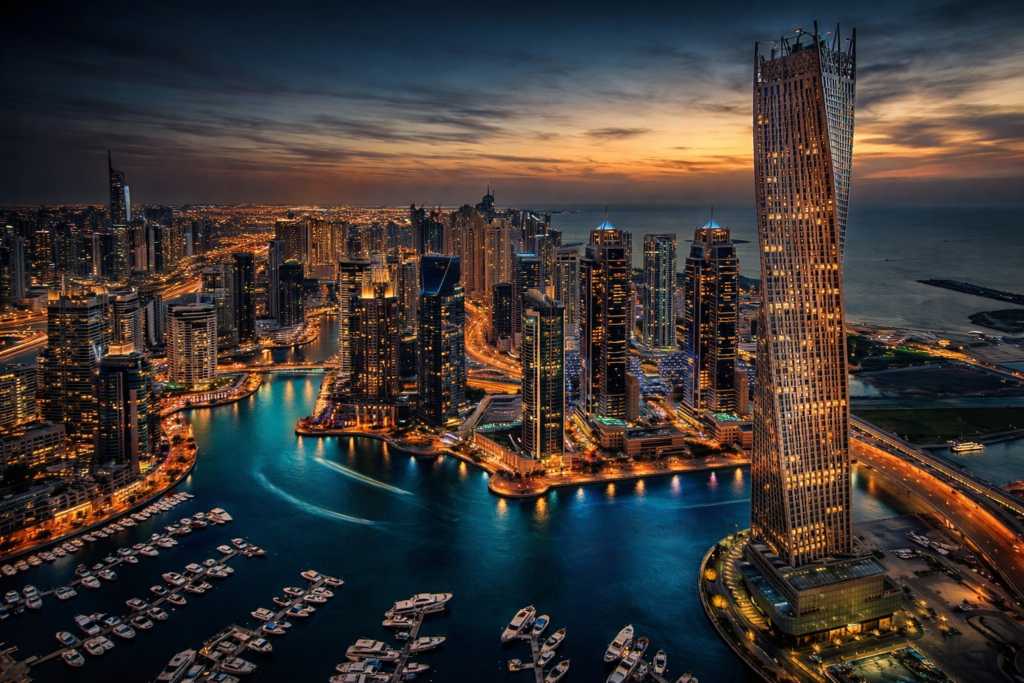
Dubai

Dubai Description Trip Highlights Need Help ? There was an error trying to submit your form. Please try again. Full Name * This field is required. Email * This field is required. Phone Number * This field is required. Where are you planning a trip to ? Request a Callback There was an error trying to submit your form. Please try again. Explore Our Packages Must Know Weather, Climate & Best Time to Visit Dubai has a hot desert climate with warm winters and extremely hot summers. The best time to visit is November to March, when temperatures are pleasant (18°C–28°C) and perfect for sightseeing, desert activities, and beach outings. Summers (May–September) can be extremely hot, often touching 45°C, but indoor attractions, malls, and theme parks remain fully operational with excellent air-conditioning. Occasional sandstorms may occur, and evenings can be cooler during winter. Local Culture, Rules & Etiquette Dubai is modern yet culturally rooted in Islamic traditions. Travellers should respect local customs, dress modestly in public places, and avoid revealing clothing in souks, malls, and religious sites. Public displays of affection should be minimal. During Ramadan, eating, drinking, and smoking in public during daylight hours is restricted. Alcohol is served only in licensed hotels, restaurants, and bars. Respecting local laws ensures a smooth and comfortable trip. Food, Dining & Local Cuisine Dubai offers a global culinary experience—from Michelin-star restaurants and luxury buffets to street food and traditional Emirati dishes. Must-try foods include Shawarma, Falafel, Mandi, Luqaimat, Harees, and Arabic grills. Dubai also has Indian, Asian, European, and fusion cuisine options everywhere. Tap water is desalinated and safe but travellers often prefer bottled water. Avoid street food in remote areas and choose hygienic eateries. Shopping & Local Specialties Dubai is one of the world’s best shopping destinations. Key items to buy include gold jewellery, perfumes, chocolates, dates, spices, Arabic coffee, luxury brands, carpets, electronics, and handicrafts. Popular shopping zones include Dubai Mall, Mall of the Emirates, Gold Souk, Meena Bazaar, and Global Village (seasonal). Bargaining is common in souks but fixed prices apply in malls. Annual Dubai Shopping Festival (Dec–Jan) offers huge discounts and exclusive deals. Transport, Roads & Getting Around Dubai has a modern transport system with metro, trams, buses, taxis, and ride-hailing apps like Careem and Uber. Taxis are safe, metered, and widely available. The Dubai Metro is convenient for major attractions like Burj Khalifa, Dubai Mall, Marina, and Deira. Roads are excellent, but peak hours can see heavy traffic. Renting a car is easy but requires an international driving permit. Public behavior inside transport must be respectful. Attractions, Theme Parks & Activities Dubai offers world-class attractions including Burj Khalifa, Dubai Frame, Atlantis Aquaventure, Desert Safari, Miracle Garden, Museum of the Future, Dubai Marina, The Palm, Global Village, IMG Worlds of Adventure, and Dubai Parks & Resorts. Desert safaris include dune bashing, camel rides, BBQ dinners, and cultural shows—operated safely by licensed vendors. Theme parks may have specific height/age restrictions for rides, so families should check guidelines. Beaches, Water Activities & Safety Dubai’s beaches such as JBR Beach, Kite Beach, La Mer, and Al Sufouh are clean and well-maintained. Swimming zones are safe but travellers must follow lifeguard signals and avoid deep waters during high tides. Water sports include jet skiing, parasailing, scuba diving, yacht tours, and Banana Boat rides. Activities should be booked via certified operators for safety and insurance coverage. Desert Safari Guidelines Desert safaris are a major highlight of Dubai trips. The experience involves dune bashing, camel rides, quad biking, sandboarding, live shows, and dinner. Travellers with back issues, pregnant women, and elderly guests should avoid dune bashing due to vehicle impact. Wearing light clothing, sunglasses, and closed shoes is recommended. Desert temperatures drop in winter evenings—carry a light jacket. Dress Code & Public Conduct Dubai allows modern dressing at beaches, hotels, and resorts but expects modest clothing in public areas. Swimwear is only allowed at beaches and pools. Short dresses, off-shoulder tops, and beachwear are not suitable for souks, malls, or religious attractions. Public intoxication, loud behavior, and inappropriate clothing may lead to penalties. Mobile Network & Internet Connectivity Dubai has excellent 4G/5G connectivity. Local SIM cards from Etisalat and Du are available at the airport and malls. Wi-Fi is accessible across hotels, malls, cafés, and metro stations. Connectivity is strong for remote work and online activities. Cash, ATMs & Digital Payments UAE Dirham (AED) is the local currency. Debit/credit cards are accepted everywhere—malls, taxis, restaurants, and attractions. ATMs are widely available. Cash is needed mainly for souks, local snacks, tips, and small vendors. Currency exchange counters offer good rates at airports and malls. Safety, Laws & Tourist Regulations Dubai is one of the safest destinations globally with strict law enforcement. Travellers should be aware of these rules: • Public drunkenness is prohibited. • Drugs, vaping and certain medicines are banned. • Photography of government buildings, military areas, and strangers (especially women) without permission is prohibited. • Avoid arguments and public disturbances—Dubai follows a zero-tolerance policy.   General behaviour should be respectful, especially in religious and traditional areas. Health, Hygiene & Medical Assistance Dubai has world-class medical facilities. Travellers rarely face health issues except dehydration or heat fatigue due to high temperatures. Staying hydrated, using sunscreen, and wearing hats/sunglasses are essential. Medical services are easily available in hospitals, clinics, and pharmacies across the city. Health insurance is strongly recommended. Clothing & Essentials to Carry Travellers should pack comfortable cotton clothes for daytime, light jackets for winter evenings, and swimwear for beach or hotel pools. Essentials include sunscreen, sunglasses, hats, power banks, and comfortable walking shoes. For desert tours, breathable clothing and scarves help protect from heat and sand. Environmental Responsibility Dubai maintains extremely high cleanliness standards. Littering, spitting, and damaging public property attract heavy fines. Avoid plastic wastage and dispose of rubbish responsibly. Beaches and parks have strict eco-regulations—visitors should respect cleanliness guidelines. Travel Insurance (Highly Recommended) Travel insurance is essential for Dubai, covering medical emergencies, flight delays, desert activities, adventure sports, and loss

Dubai Read More »

maldives

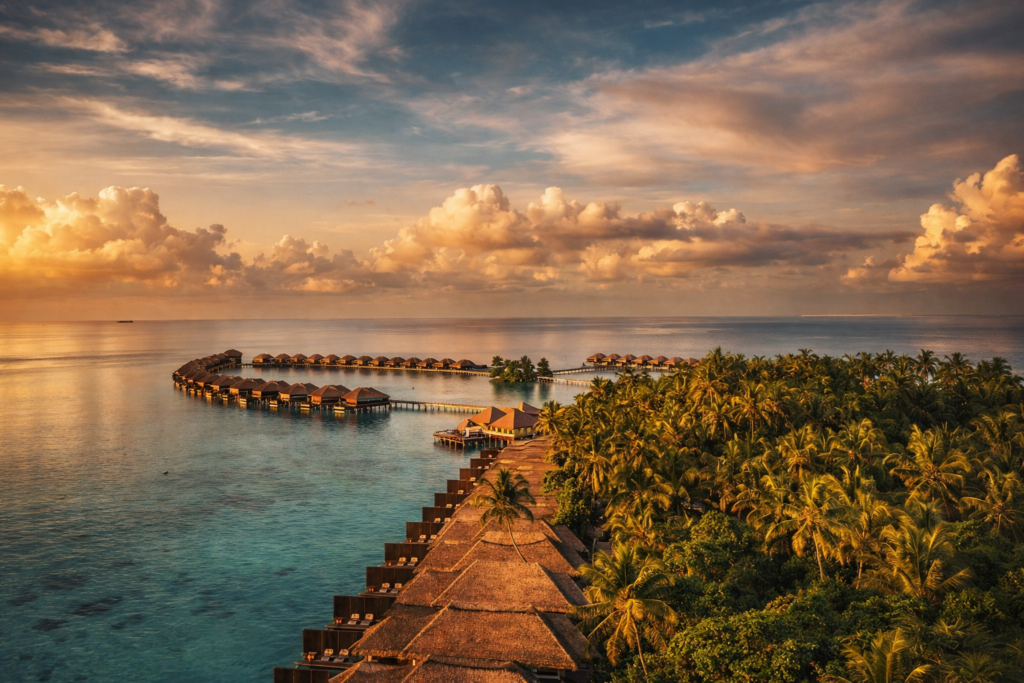
Maldives

Maldives Description Trip Highlights Need Help ? There was an error trying to submit your form. Please try again. Full Name * This field is required. Email * This field is required. Phone Number * This field is required. Where are you planning a trip to ? Request a Callback There was an error trying to submit your form. Please try again. Explore Our Packages Must Know Weather, Climate & Best Time to Visit The Maldives enjoys warm, tropical weather year-round with temperatures averaging between 26°C and 32°C. The best time to visit is November to April, when clear skies, calm seas, and sunny days make it perfect for beach holidays, snorkeling, scuba diving, and water villas. The monsoon season from May to October brings occasional rainfall, rougher seas, and overcast skies, but also attracts travellers seeking quieter resorts and better deals. Water visibility is excellent throughout the year, especially in the dry season. Resorts, Islands & Transfer Guidelines The Maldives consists of 1,000+ islands, each resort located on its own private island. Transfers between the airport (Malé) and resorts are via speedboat, domestic flight, or seaplane, depending on distance. Seaplane transfers operate only during daylight hours, so travellers arriving late at night may need to stay in Malé for one night. Transfer schedules are fixed by resorts—travellers should always confirm arrival and departure times in advance. Baggage allowance for seaplanes is limited and may incur extra charges. Local Culture, Customs & Etiquette The Maldives is a Muslim country, and local islands follow strict cultural norms. While resort islands are open to western clothing and lifestyles, travellers visiting local inhabited islands should dress modestly, especially at mosques and public places. Alcohol is prohibited on local islands but available freely in resorts. Public displays of affection should be minimal outside resorts. Respecting local customs and maintaining appropriate behaviour ensures a smooth and respectful experience. Food, Dining & Local Cuisine Maldivian cuisine features fresh seafood, coconut-based curries, rice, and tropical fruits. Signature dishes include Mas Huni, Garudhiya, Maldivian Curry, Tuna Fry, Bis Keemiya, and fresh seafood grills. Resorts offer multi-cuisine dining with Indian, Asian, continental, and international buffets. Travellers with dietary restrictions will find plenty of options. Tap water is not suitable for drinking; resorts provide filtered or mineral water. On resort islands, dining plans such as Half Board, Full Board, and All Inclusive determine food and beverage inclusions—travellers should verify details before booking. Beaches, Water Activities & Safety The Maldives is a world-class destination for snorkeling, diving, dolphin cruises, kayaking, sunset cruises, parasailing, jet skiing, and sea-plane photo flights. Coral reefs are extremely delicate—touching or stepping on them is strictly prohibited. Certain areas may have strong currents, so travellers should swim only in designated snorkelling zones and follow safety instructions from resort staff. Marine life such as rays, sharks, and turtles is generally harmless but should be observed from a respectful distance. Dress Code & Beach Etiquette On resort islands, beachwear, swimwear, and leisure clothing are acceptable everywhere. However, when visiting local islands, travellers must dress modestly—covering shoulders, chest, and knees. “Bikini beaches” are specially designated areas on some local islands where swimwear is permitted. Public nudity is strictly prohibited across the Maldives. Honeymoon & Luxury Experiences The Maldives is famous for its overwater villas, private pools, romantic dinners on the beach, floating breakfasts, couple spa sessions, sunset cruises, and underwater restaurants. Many resorts offer honeymoon freebies such as fruit baskets, wine, room decorations, or cake—usually with minimum stay conditions. Travelers should inform the resort in advance to avail honeymoon offers. Shopping & Local Souvenirs Popular Maldivian souvenirs include seashell crafts, lacquerware, handmade jewelry, coconut products, wooden artifacts, local painting art, fridge magnets, keychains, and Maldivian sarongs. Malé city and local island markets offer budget-friendly shopping, while resort shops are more expensive. Exporting corals, turtle shells, or marine life is illegal. Mobile Network & Internet Connectivity Most resort islands provide strong Wi-Fi, though speed may vary by location. Local SIM cards (Dhiraagu or Ooredoo) offer reliable 4G connectivity across many islands. Remote atolls may have weaker signals. Travellers working remotely should check Wi-Fi speed and network coverage with the resort beforehand. Cash, ATMs & Payments The local currency is the Maldivian Rufiyaa (MVR), but USD is widely accepted across resorts and tourist zones. Most resorts operate cashless systems where all expenses are billed to the room and settled at checkout via card. ATMs are available mainly in Malé and a few local islands. Travellers should carry a small amount of USD for local island visits or tips. Safety, Rules & Tourist Conduct The Maldives is extremely safe for tourists. However, travellers should avoid venturing into deep waters without supervision and follow all water activity instructions. Coral protection laws are strict—removing coral pieces or shells is punishable. Alcohol consumption outside resort areas is illegal. Travellers should avoid littering, especially near the ocean, and respect all marine conservation guidelines. Health, Hygiene & Medical Assistance Resorts have basic medical facilities and first-aid support. For serious medical cases, evacuation to Malé may be required. Common issues include dehydration, sunburn, and coral cuts. Sunscreen, hats, and hydration are essential due to strong sunlight. Travellers with seafood allergies should exercise caution, as seafood is widely used across resort menus. Clothing & Essentials to Carry Light, breathable cotton clothing is ideal for the Maldives. Pack swimwear, beach cover-ups, sunscreen, slippers, sunglasses, hats, waterproof phone cases, reusable water bottles, and light evening wear. For drone users, note that many resorts require prior approval or restrict drone flights due to privacy concerns. A light jacket may be needed for cool evenings on the water. Environmental Responsibility & Marine Protection The Maldives actively promotes eco-friendly tourism. Travellers are encouraged to avoid single-use plastics, use reef-safe sunscreen, and maintain respectful behaviour towards marine life. Coral reefs, beaches, and lagoons are highly sensitive—preserving them ensures sustainable tourism for future generations. Travel Insurance (Highly Recommended) Travel insurance is strongly recommended for Maldives trips, especially due to water activities, flight delays (common due to

Maldives Read More »

WhatsApp